

























































Costs are spiking, schedules are slipping, and two nuclear hubs in the Southeast are right in the middle of it. A new federal watchdog report shows the National Nuclear Security Administration’s big construction binge is veering badly off course, with 28 major projects worth at least $30 billion running a lot pricier and much later than advertised. Cumulative cost overruns nearly doubled, climbing from roughly $2.1 billion to about $4.8 billion, while total schedule delays ballooned from about nine years to roughly 30 years across the portfolio as of June 2025, a trend that lands squarely on communities around Oak Ridge, Tenn., and the Savannah River Site in South Carolina.
The findings come in a February assessment that tracks how the agency has fared since a 2023 review and parses cost and schedule data across its construction lineup, according to a report by the Government Accountability Office. GAO identified 16 projects already in execution and 12 still in design or early planning. Nine of those are on track to bust their approved budgets by at least 20 percent, the watchdog found, and multiple earlier recommendations remain open while NNSA reworks baselines and timelines.
Big Projects Behind the Cost Explosion
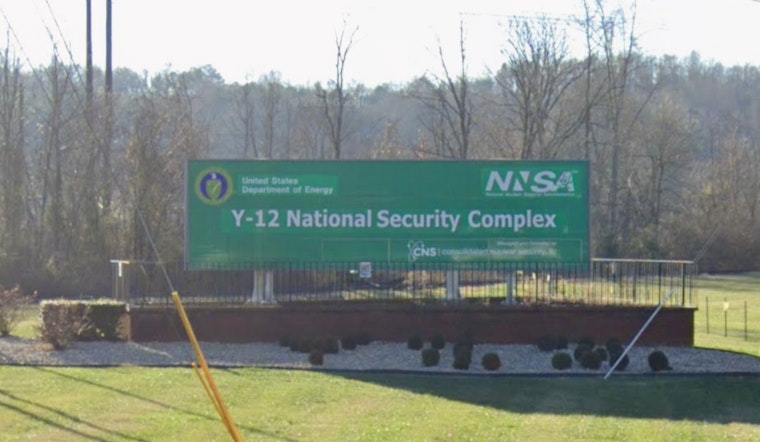
Two high profile builds are doing a lot of the damage to the overall numbers: the Uranium Processing Facility at the Y 12 National Security Complex in Oak Ridge and new plutonium processing construction at the Savannah River Site, according to ENR. ENR reports that the UPF main process building’s approved cost baseline jumped from about $4.7 billion to roughly $7.45 billion, and its projected completion slid from December 2025 to January 2032. The UPF Salvage and Accountability Building has not been spared either, with its baseline increasing from about $1.18 billion to approximately $2.25 billion.
On top of that, ENR notes GAO’s estimate that the Savannah River plutonium main process building alone could top $22 billion by the time it is done, with the latest completion window stretching out to around September 2035. In other words, some of the most critical facilities in the modernization effort are arriving late and wildly over budget.
Why Timelines Are Stretching And Price Tags Swelling
Coverage of the GAO assessment points to a familiar mix of culprits. Early cost forecasts did not fully capture the complexity of nuclear grade work, project management has shown weak spots, and contractor oversight has sometimes lagged, leaving room for vendor and materials costs to climb, Breaking Defense summarized from GAO’s findings. Layer in tight safety and security rules for Category 1 nuclear facilities, along with post pandemic inflation in basics like steel and concrete, and the early baselines were always vulnerable to redesigns, delays, and pricey course corrections.
Big Contractors, Local Fallout
At ground level, the projects are tied to long time site operators and heavyweight construction primes, a setup that shapes how risk and accountability play out when costs rise. ENR notes that Consolidated Nuclear Security LLC operates the Y 12 complex, while Bechtel National Inc. is the construction contractor for the Uranium Processing Facility. At Savannah River, the work is run by Savannah River Nuclear Solutions LLC, a management and operating contractor led by Fluor Corp. and Newport News Nuclear Inc.
That structure, in which local M&O contractors handle day to day operations while major primes build out new facilities, creates extra layers of coordination. GAO has found that these handoffs and shared responsibilities have contributed to cost growth, particularly when design changes ripple through schedules and contract terms.
What Comes Next For NNSA And Local Communities
According to the watchdog, NNSA plans to put revised cost and schedule estimates in front of senior leadership by September 2026 and still has several prior recommendations to close, the Government Accountability Office reported. That timeline virtually guarantees more rounds of congressional scrutiny and budget haggling as lawmakers try to square long term nuclear modernization goals with projects that are getting more expensive and finishing further into the future.
For Oak Ridge and the communities around Savannah River, the slow roll could be a mixed bag. Prolonged construction and higher budgets can mean extended employment, more subcontracts, and years of steady work, but they also inject uncertainty into hiring, local planning, and regional economic forecasts. If schedules slip again or costs climb higher, the ripple effects are likely to shape workforce decisions, contracting strategies, and growth plans across both regions for much of the coming decade.



