

























































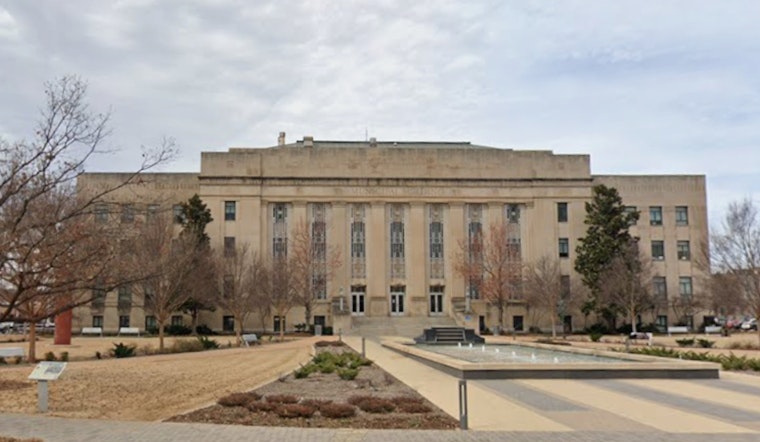
Oklahoma City's Human Rights Commission is asking residents to help dig through the fine print of the past and pull racist and discriminatory language out of the city's old housing plats and covenants. Staff say the cleanup will be a manual, time-consuming slog through decades of records, so they are hoping community volunteers will help speed things along. The goal is to bring the recorded language in line with current state and federal law so it no longer repeats provisions that are already unlawful, as per The Oklahoman.
Commission Calls For Hands-On Help
The commission has formally put out a call for hands-on community support to spot and remove offensive clauses. City staff plan to manually audit plats and file amendments where needed, according to The Oklahoman. That reporting notes the project is organized in partnership with William Wilson, a University of Oklahoma graduate student in city and regional planning, who will help review documents. The review is focused on updating recorded language so it matches current law and no longer includes discriminatory covenants.
Why Cities Now Have Authority
State lawmakers recently passed a measure that gives municipalities a clear process to amend discriminatory restrictive covenants in plats, shifting the burden off individual property owners. As per KOSU, the law grew out of broader national efforts to make sure public records do not quietly preserve language that courts rejected decades ago. Hoodline covered the same statute's impact in a piece titled Oklahoma Set to Remove, outlining how it lets cities start the corrections themselves instead of waiting for private filings.
City Plans Volunteer Sessions
Oklahoma City's compliance officer told local reporters that the Human Rights Commission will host volunteer review sessions, since reading through old plats and deeds is "an arduous process" and staff need extra hands to comb the records, as reported by KOCO. For residents who want to get involved or just have questions, the commission's website lists contact information, intake forms and guidance about the complaint process, according to the City of Oklahoma City Human Rights Commission. City staff say volunteers will get training and clear checklists before any review sessions begin so people know exactly what to flag.
Who's Helping Lead The Review
According to The Oklahoman, the commission's effort is being led in partnership with William Wilson, the University of Oklahoma city and regional planning graduate student, who will help identify problematic clauses and draft proposed amendments. Officials told the paper that the work often involves tracing layers of legal filings and sometimes coordinating with other city offices before any amendment can be finalized. That complexity is a big reason the city is leaning on trained volunteers instead of trying to run a complete audit with existing staff alone.
Scale And Timeline
City staff have not nailed down a final count of affected plats, but reporting has suggested the total could stretch into the low thousands, with some estimates climbing to about 2,200, a figure the city has described as provisional and still subject to verification. As KOCO noted, plats that fall inside historic-preservation districts must first go before preservation boards before the city can file formal amendments, which tacks extra time onto some of the cleanups. City officials expect the full program to play out over months, with public meetings and planning-commission hearings built into the process.
Legal Context
Racially restrictive covenants have been unenforceable since U.S. Supreme Court rulings in 1948 and were later banned outright by the Fair Housing Act of 1968, yet the offensive language often remains in recorded plats and deeds. The Oklahoma Legislature's committee report for SB1617 details the statutory framework adopted in 2024 that sets up a municipal process to amend discriminatory restrictive covenants and declare certain language null and void, according to the Oklahoma Legislature.
How To Get Involved
Residents who want to help can reach out to the Human Rights Commission to learn about training, volunteer sessions and the kinds of phrasing that should be flagged in plats. The commission's website lists intake forms, a contact email and information for the City Clerk's office for formal filings, per the City of Oklahoma City Human Rights Commission. City staff say they will post session dates and sign-up details on the commission's page once the volunteer calendar is finalized.
Where Others Have Started
Nearby Edmond has already amended a final plat to strike explicitly racist language and told reporters it plans to work through dozens more additions, according to The Journal Record. Nichols Hills' council also recently approved a resolution directing staff to build a process for removing discriminatory language from plats, a local report noted, offering a practical playbook for how the work can unfold. City officials say those examples help illustrate the steps Oklahoma City is likely to follow as it launches its own review.





