

























































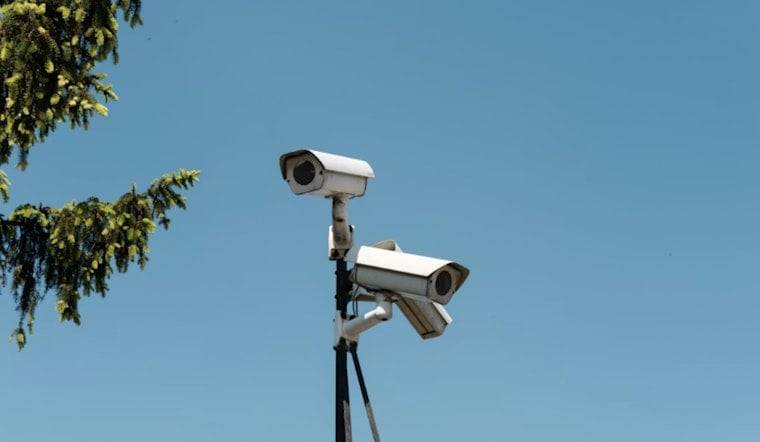
A routine public records request from an Oklahoma City resident has cracked open a debate over how the city uses a growing network of license plate readers, and what, if anything, keeps that power in check. The records, a mix of internal memos and contract excerpts, indicate the Oklahoma City Police Department has not put Flock-specific transparency reporting, access controls or discipline standards into writing. Privacy advocates and residents say that gap leaves the door wide open to misuse and cross-jurisdictional fishing expeditions.
According to KOSU, Jarrett Freeman, an IT professional who filed the open-records requests, obtained documents showing the department lacks written Flock-focused transparency reports, audit procedures and discipline rules for misuse. "We need oversight into who can access the system, and under what circumstances are they allowed to just go perusing," Freeman told KOSU. While department records say the system is for law enforcement use only, the materials Freeman posted suggest few formal limits on how officers search or share Flock data.
State law narrows how ALPRs can be used
Oklahoma law adds another wrinkle. A state-by-state summary from the National Conference of State Legislatures notes that data collected under the state's compulsory insurance program "shall not be used by any individual or agency for purposes other than enforcement of the Compulsory Insurance Law." NCSL highlights those limits in its overview. Local coverage also shows lawmakers are paying attention. The Journal Record reported that Rep. Tom Gann is leading an interim study to examine how automated license plate readers are being used in Oklahoma and where the legal lines are.
National scrutiny and a local pullback
Nationally, researchers and civil liberties advocates have warned that Flock's network supercharges cross-jurisdictional searches, letting agencies track people far from home and even monitor protest activity. An analysis by the Electronic Frontier Foundation found hundreds of protest-related searches and frequent nationwide queries on Flock's platform, raising alarms about free speech and privacy. EFF's findings line up with recent city-level moves. Denver is backing away from Flock and shifting to a different vendor after public backlash, Axios reported.
Organizers press for transparency
Freeman has published the documents he obtained and launched a site called DeFlockOKC to house his findings, according to KOSU. Local privacy advocates say the city should adopt a written, Flock-specific use policy, require audited logs of officer searches and release regular transparency reports so residents can see how license plate data is accessed and shared. They point out that other cities have imposed similar safeguards as a basic check on third party surveillance vendors.
Legal stakes and what comes next
Because Oklahoma statute ties automated license plate reader use to enforcement of the insurance law, defense attorneys could ask courts to suppress evidence collected for broader purposes, and civil rights groups could test the issue through litigation, the Journal Record reported. For now, the records request has put city leaders and state lawmakers on the spot to spell out the rules and, if they do not exist yet, to put them in writing.





