

























































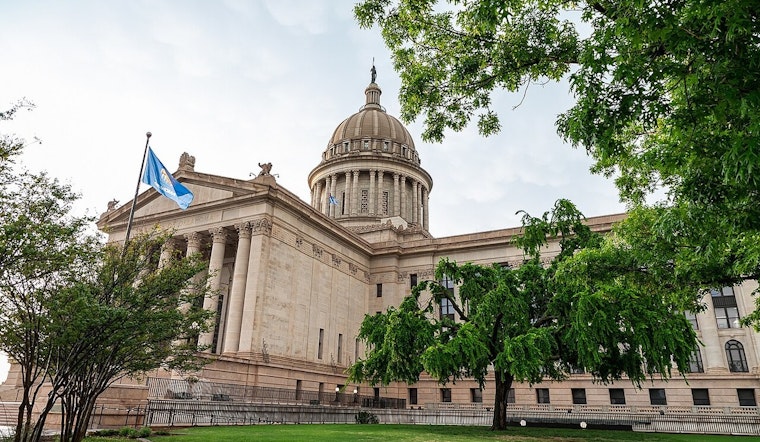
Oklahoma lawmakers have moved SB 1636 one step closer to law, giving families of long-unsolved homicides a formal path to ask for a fresh look. The measure would let eligible relatives trigger a full case file review, set deadlines for agencies to respond, and keep the original investigators from leading that second look. If the review turns up no new leads, the same case could not be reviewed again for five years.
What the bill would do
According to a summary from the Oklahoma Legislature, an immediate family member or another similarly authorized person could file a request for a review. Law enforcement would have 30 days to confirm receipt and six months to decide whether to reopen the investigation.
The review is defined broadly, covering all information, evidence, records, and testimony in the case file. For agencies that lack the resources to conduct that kind of deep dive, the Oklahoma State Bureau of Investigation would be authorized to assist in some reviews. If investigators ultimately find no new leads, the case would have to wait at least five years before another review request could move forward.
Families push for fresh eyes
For families who have spent years asking agencies to dust off old files, the proposal looks like a long overdue rulebook.
Maggie Zingman, a trauma psychologist whose daughter Brittany Phillips was murdered in Tulsa in September 2004, told KOCO that recent requests for cold case help "have been turned down" and that the bill would "give families a voice."
Rocky Pennington, whose daughter Lisa’s slaying is tied to advocacy around the State Fair murders, said keeping cases open and in view still matters because "the murderers are still out there."
Where it stands in the Capitol
The measure cleared the Senate Public Safety Committee on February 24 on an 8 to 0 vote and was amended before advancing, local coverage reports. Sponsor Sen. Carri Hicks worked with family advocates during drafting to shape the review parameters, according to reporting by KRMG.
Why advocates say it matters
Supporters point to advances in DNA testing and investigative genetic genealogy that have produced leads in old cases, but say those tools only help when agencies are required to re-examine evidence in a systematic way.
The National Institute of Justice has sponsored research on investigative genetic genealogy and related genotyping methods that can generate investigative leads long after a case goes cold, highlighting both the opportunity and the resource needs for jurisdictions that want to use these techniques.
Next steps
SB 1636 is now positioned for further action in the Legislature. It will still need House approval and the governor’s signature to become law, according to bill tracking by FastDemocracy.
For families who have waited decades, the bill’s timelines for acknowledgement and review represent a rare kind of hope in cold case work: something clear, written down, and on the clock.





