

























































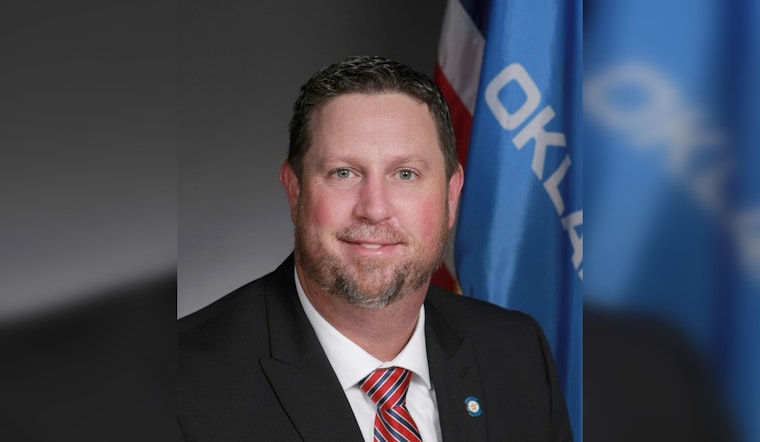
Oklahoma lawmakers are weighing a sweeping new proposal that would turn so-called "grooming" into a standalone felony, carrying real prison time and a five-figure fine. Filed this month, the measure would write a specific definition of grooming into the state's child-abuse code, targeting situations where an adult builds trust and an emotional bond with a minor in order to break down defenses for sexual purposes. The bill has just landed at the Capitol and is starting its trek through the Senate.
Sen. David Bullard, R-Durant, is carrying the measure and told local reporters the state has seen "one of the largest increases in the 'grooming' and targeting of our kids," according to KJRH. The station referred to the proposal as "House Bill 1540," a label that does not match how the Legislature officially filed it.
What the Bill Would Criminalize and the Penalties
The proposal would classify "grooming" as a Class B6 felony, with penalties of up to 10 years behind bars and a minimum $10,000 fine, according to the bill text. It defines grooming as "befriending and establishing an emotional connection with a minor ... in order to lower the minor's inhibitions with the intent to engage the minor in" sexual acts, a move that would broaden which behaviors fall under existing child-abuse statutes. For offenders who receive at least a two-year sentence, the measure also requires specific post-imprisonment supervision, a change that could alter how serious or repeat cases are handled, according to the filing from the Oklahoma Legislature.
Where the Measure Is in the Process
Filed as SB 1540 in early February, the bill received its first reading on Feb. 2 and was then sent to the Senate Judiciary Committee before being routed to Appropriations, legislative trackers show. In other words, it has cleared only the earliest procedural hurdles. To move forward, it still needs approval in committee, a full Senate vote, and then action in the House before it could land on the governor's desk. Committee hearings, and any amendments that come with them, typically determine whether a criminal statute like this actually makes it across the finish line, according to LegiScan.
Legal Questions and the Wider Debate
Supporters argue that adding a felony grooming charge would give prosecutors another tool to step in earlier and disrupt patterns of behavior before abuse occurs, a point Bullard has stressed in local interviews. Critics and civil-liberties advocates in other states, however, have warned that broad or fuzzy grooming language can chill protected speech or sweep in noncriminal conduct as lawmakers push similar bills around the country.
The Oklahoma proposal would also add grooming to the list of offenses that can later be used to trigger life without parole, a significant sentencing shift that is expected to feature prominently in debates over proportionality and due process, according to state documents and coverage by KJRH. Comparable efforts in other states have already drawn scrutiny from local media and civil-liberties organizations, as reported by WDRB in Kentucky and in prior court-focused reporting.
For now, SB 1540 sits in Senate committees, where lawmakers can tinker with the language, hold hearings, or quietly let it die before it ever reaches the floor. Schedules for those hearings, along with testimony from prosecutors, child-safety advocates and legal experts, will determine whether the bill becomes Oklahoma law or stays as a warning shot in an ongoing national fight over how to police grooming, according to LegiScan.





