

























































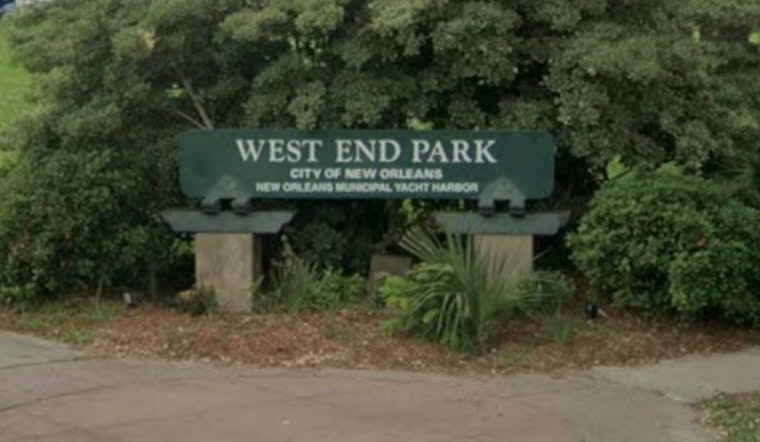
Faded snapshots of West End Park are making the rounds again this week, pulling New Orleanians back to a stretch of Lakeshore Drive that once buzzed with lakeside restaurants, live bands and shoulder‑to‑shoulder crowds. The timing is not accidental: the renewed interest in these images lands just as talk heats up again about what to do with the fenced‑off lot and the ghostly pilings that mark where “restaurant row” perched over Lake Pontchartrain.
The photos, taken by Times‑Picayune staff photographer Chris Granger, appear in a curated slideshow that blends his recent work with archival images of old pilings and over‑water dining rooms, including long‑gone fixtures like Fitzgerald's. Published on NOLA.com, the collection even points out that “the wooden bridge will be closed permanently to motor vehicles as work continues on a new pedestrian mall.”
A Lakeside Heyday, Frozen In Time
Built up around the New Basin Canal, West End evolved into a bustling waterfront playground packed with hotels, music pavilions and seafood joints that locals routinely likened to a Coney Island on the lakefront. As detailed by the Preservation Resource Center of New Orleans, archival holdings at The Historic New Orleans Collection and the Louisiana State Museum trace West End's shift from maritime hub to entertainment strip, home to spots like Bruning's, Jaeger's and Fitzgerald's. Those old shots help explain why a cluster of empty pilings and a lighthouse can still tug at the memories of people who live nearby.
Big Redevelopment Dreams, Tough Technical Realities
Talk of reviving the site has come and gone for years, but some stubborn obstacles keep getting in the way. Jefferson Parish, the City of New Orleans and the state have been working on a cooperative‑endeavor agreement, and any private project would probably have to stick to the former parking lot instead of stretching back out over the lake. Reporting by New Orleans CityBusiness notes that the Army Corps of Engineers and a post‑Katrina 17th Street Canal pumping station limit over‑water construction, and that the City Council has already passed a resolution backing a general redevelopment framework. Put together, those jurisdictional and engineering constraints go a long way toward explaining why the area has stayed dormant despite repeated waves of interest.
Locals Split On Restaurants Versus Green Space
Neighbors and civic groups have not exactly rolled out the red carpet for heavily commercial plans, arguing that sections of the lakeshore were set aside as parkland and should stay open to the public. Local reporting and persistent neighborhood organizing have kept that opposition front and center, slowing any rush from glossy concept drawings to actual construction. The message is pretty clear: without broad neighborhood support on top of approvals from all the government players, no deal is likely to sail through.
For now, the photos themselves are doing the civic work, sparking debates over what those pilings should become next. Do they anchor a rebuilt boardwalk lined with restaurants again, or stay as part of a reimagined public park? The images and recent coverage underline that whatever emerges will be shaped by a mix of neighborhood advocates, parish and city leaders, and state and federal agencies, according to the Preservation Resource Center of New Orleans.





