

























































Olympia, WA, lawmakers this week cleared Senate Bill 5105, a sweeping update to Washington's child sexual-abuse laws, and sent it to the governor's desk on March 4, 2026. The measure targets people who create or possess sexually explicit images of minors produced or altered by artificial intelligence, widens crimes tied to unconscious victims, and lengthens the time prosecutors have to bring charges.
What the bill does
Senate Bill 5105 would expand the legal definition of child sexual-abuse material to include obscene "fabricated depictions" even when no identifiable minor appears, and it eliminates the longstanding requirement that a child be aware they were being recorded, according to the Washington State Legislature. In other words, claiming an image is fully synthetic or that a child did not know they were on camera would no longer be an easy escape hatch.
The bill also raises the statute of limitations for felony offenses related to such depictions from three years to ten and includes narrow immunity for certain good-faith reports by processors who flag suspected material. Lawmakers say the goal is to give investigators more time to build complex digital cases while protecting entities that turn over potential evidence instead of hiding it.
Prosecutors push for change
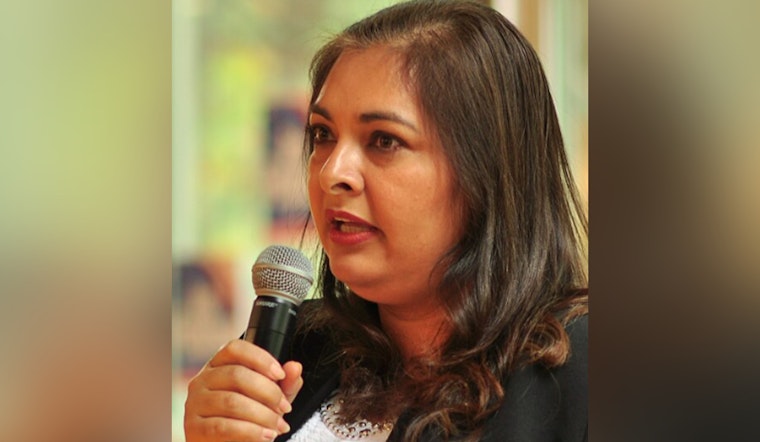
Prosecutors who worked with lawmakers said advances in AI have made it easier to produce realistic sexual images of children and harder for investigators to use traditional detection tools, as reported by FOX 13 Seattle. "Everyone uses it for everything, and so it’s only natural that, of course, offenders are using it for their offensive behavior," Laura Harmon, a senior deputy prosecuting attorney, told the station, and King County Prosecuting Attorney Leesa Manion said prosecutors are juggling hundreds of active cases tied to fabricated or altered images.
For prosecutors on the front lines, the bill is meant to keep the law from falling behind the tech. They argue that without clearer rules on AI-driven images, offenders can hide behind the novelty of the tools they are using.
Legal and free-speech concerns
The Senate bill report records opposition from defense and civil-liberties groups, which warned that criminalizing non-identifiable or fully AI-generated images could raise First Amendment and vagueness challenges under precedents such as Ashcroft v. Free Speech Coalition. Committee materials say those objections helped shape the bill's obscenity standard and carve-outs, but critics remain concerned a broad ban could invite constitutional litigation, according to the Washington State Legislature.
In short, supporters see a necessary update to protect kids in the AI era, while civil-liberties advocates see a law that may be asking for a court fight.
Why it matters now
Supporters note the bill is part of a wider state push to update laws for generative AI and child safety following a 2024 task force and recent legislative measures, as Cascade PBS has documented. Lawmakers argued the change closes a loophole that allowed defendants to claim images were synthetic to avoid accountability, while advocates said the shift better reflects how investigators now encounter abuse material online.
With AI tools making it possible to churn out convincing images in seconds, backers say waiting for the law to catch up later is not an option.
Next steps
Legislative records show the Senate approved the engrossed bill 49-0 and the House recorded a 93-0 third-reading vote on March 3. The Senate president signed the engrossed bill on March 4 and it now sits at the governor's desk, per the Washington State Legislature. If the governor signs, the changes would take effect 90 days after adjournment of the session in which the bill passed.



