

























































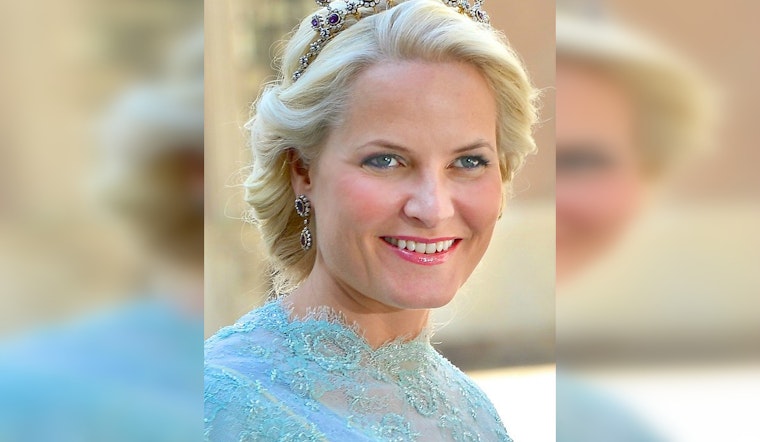
Norway's Crown Princess Mette-Marit broke seven weeks of silence in a tearful TV interview on Friday, saying she had been "manipulated and deceived" by Jeffrey Epstein. Speaking to public broadcaster NRK, she said a 2013 stay at Epstein's Palm Beach home left her feeling "unsafe" and that she carries a heavy sense of guilt for his victims. It was the first in-depth public account from the royal couple since documents linking the crown princess to Epstein emerged earlier this year.
In a tightly timed 20-minute conversation with NRK, held the same day prosecutors wrapped the high-profile trial of her eldest son, Mette-Marit said she had been naive and took responsibility for not scrutinizing Epstein's background more carefully, according to AP. The palace had previously issued a written apology. On air, she again expressed regret for the embarrassment the revelations have caused the royal family and said she has spent years trying to understand and process the relationship.
What she told NRK
Mette-Marit confirmed key parts of the email trail that reignited the scandal, including a message in which she wrote to Epstein, "you tickle my brain," and said she broke off contact once she understood "he was a bad man," as reported by The Independent. The released documents also show she stayed for several days in 2013 at an Epstein-owned property in Palm Beach. She told NRK the trip was arranged through a mutual friend and declined to go into further detail about the visit on camera.
Royal fallout at home
The NRK appearance landed in the middle of a growing institutional backlash. Several organizations that list the crown princess as patron have paused or cut ties, and the board of a national girls' choir has recommended ending her patronage, reflecting how far the unease has spread through Norwegian civil society. Public confidence has slipped as well. A recent VG poll found that nearly half of respondents now believe Mette-Marit should not become queen, a sign of broader damage to the monarchy's standing as the story has unfolded. Radio Haugaland summarized the domestic TV coverage of the patronage fallout, and VG published the polling numbers.
Legal context
The interview aired just as the criminal case involving Mette-Marit's eldest son reached its final stage in court. Prosecutors have asked judges to impose a combined prison sentence of seven years and seven months, and the defendant has rejected the rape allegations, AP reported when the trial concluded. A verdict is expected in early June, and the dual pressures of the courtroom drama and the Epstein disclosures have sharpened scrutiny of how the palace is handling the crisis.
What comes next
Mette-Marit has long spoken publicly about serious health issues, and the palace said the NRK interview had to be kept short for medical reasons. Commentators in Norway say the brief format left plenty of unanswered questions, both for the public and for organizations now reconsidering their association with her. Analysts argue that how the royal family responds in the coming weeks, and whether more information is released, will determine whether this remains a passing political shock or evolves into a deeper constitutional test for the monarchy, as outlined in reporting by The Guardian.
For now, the palace is leaning hard on Mette-Marit's apology and her insistence that she was deceived. Norwegian institutions and voters will be watching closely to see whether that explanation, along with the looming court verdict in Oslo, is enough to calm the storm or whether the royal house is in for a much longer reckoning.





