

























































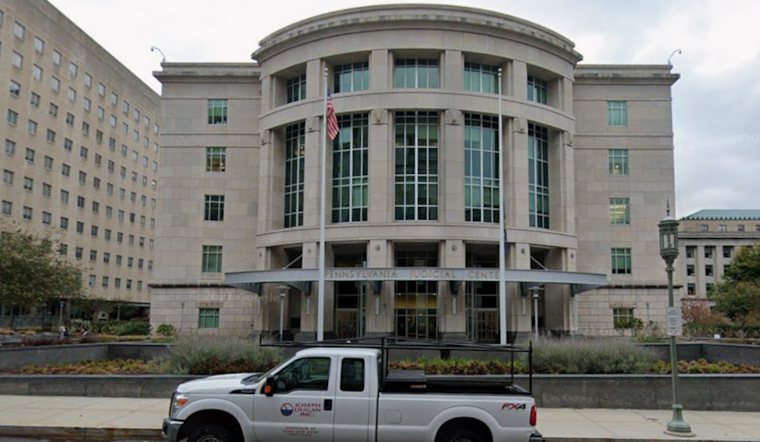
Pennsylvania’s highest court has thrown a legal lifeline to more than a thousand people serving mandatory life-without-parole for second-degree (felony) murder, ruling Thursday that judges cannot simply rubber-stamp that punishment without looking at each defendant’s actual role in the crime. The justices ordered a new sentencing hearing for Derek Lee, convicted in a 2014 Pittsburgh killing, and put the decision on ice for 120 days so state lawmakers can decide what to do next.
What the court said
Writing for the lead opinion, Chief Justice Debra Todd said the state’s statute "fails to assess individual culpability" and, at times, treats the lookout like the person who pulls the trigger, according to AP. The majority concluded that trial judges must be able to weigh a defendant’s role and intent before imposing life without parole, instead of being forced to apply it automatically.
The opinion nodded to years of advocacy that branded Pennsylvania’s approach to death by incarceration and highlighted evidence that the punishment falls disproportionately on younger defendants and Black people across the commonwealth.
The Lee case and who it affects
The ruling grows out of the appeal of Derek Lee, convicted after a 2014 killing in Allegheny County. The high court sent his case back for resentencing. Lee’s legal team had urged the justices to go further and declare that many felony-murder defendants are categorically ineligible for life without parole, according to Abolitionist Law Center, which represents him.
The group notes that Lee is one of more than 1,000 people in Pennsylvania serving life without parole for felony murder, and that dozens of amici, including Governor Josh Shapiro, filed briefs pressing the court to scale back the law.
Numbers and national context
The decision lands in a country already wrestling with long-term punishment. The Sentencing Project reports that more than 56,000 people are serving life without parole nationwide, and it places Pennsylvania among the states with the largest LWOP populations.
Pennsylvania alone accounts for roughly 5,000 people serving LWOP. Reform advocates say that concentration helps explain why felony-murder sentencing has become such a flashpoint, especially given research indicating that the policy hits younger defendants and Black Pennsylvanians hardest.
What’s next: the hold and the politics
The court stayed its order for 120 days so the Legislature can "consider appropriate remedial measures" and specifically declined to decide whether the ruling should apply retroactively, according to AP. That pause tees up a political scramble in Harrisburg.
Prosecutors are already warning that lawmakers and victims’ families will need time to sort through the consequences. Defense lawyers say the opinion is likely to unleash a wave of post-conviction litigation from people sentenced under the old rule. Legislators in both parties have signaled they are open to revisiting the statute, and advocates argue that a clear legislative fix could deliver relief faster than case-by-case resentencing if Harrisburg moves quickly.
Local stakes for Philadelphia and Pittsburgh
The impact will be most visible in Pittsburgh and Philadelphia, where many felony-murder prosecutions begin. Axios Philadelphia reported that more than 1,200 people in Pennsylvania were serving life sentences for felony murder, and that about half of them were from Philadelphia, a tally provided by the Defender Association of Philadelphia.
Local outlets, including CBS News Philadelphia, have already been tracking the ruling’s immediate political fallout and what it could mean for courthouses in both cities.
Bottom line
The Pennsylvania Supreme Court has sharply limited a mandatory penalty that critics have long called overbroad and disproportionate, while leaving big questions unresolved about how far the ruling will reach. With the 120-day pause now running, the focus shifts to Harrisburg: lawmakers can craft a new framework, or courts across the state will end up handling resentencings one person at a time, a process that could stretch on for years.





