

























































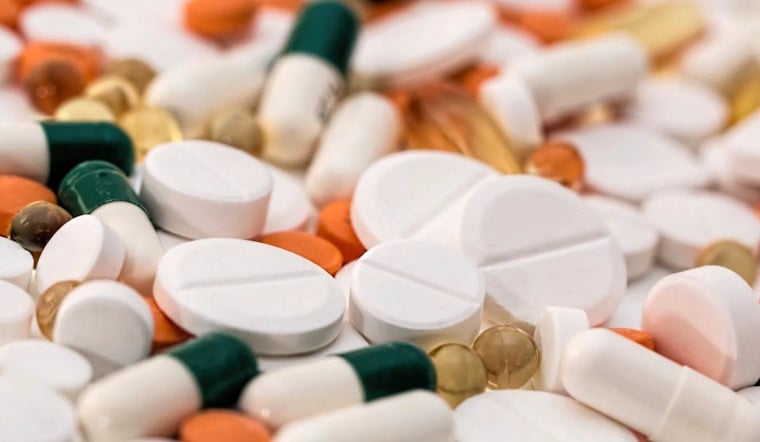
In 2024, New York City lost more than 700 adults ages 55 to 84 to unintentional drug poisonings involving opioids. Across the Hudson, New Jersey also saw a sharp rise in suspected overdose deaths among older residents last year. Clinicians and families describe a familiar mix behind those numbers: chronic pain, post-surgical prescriptions and long lists of daily medications that leave seniors especially exposed. Patients who have backed away from opioids say the fast relief can start feeling like a need in just a few days.
An Epi Data Brief from the NYC Department of Health reports that more than 700 New Yorkers aged 55 to 84 died of unintentional opioid-involved drug poisonings in 2024. State surveillance from the New Jersey SUDORS dashboard shows older adults recorded 278 suspected overdose deaths in 2025, one of the highest counts for any age group.
According to a CDC NCHS Data Brief, drug overdose death rates for adults 65 and older climbed substantially between 2000 and 2020. The brief documents age-adjusted rates rising from about 2.4 to 8.8 deaths per 100,000 as synthetic opioids became a growing factor in fatal overdoses.
“They have effects on the brain that are indistinguishable from heroin,” Dr. Andrew Kolodny said about commonly prescribed opioids, as reported by CBS New York. Kolodny, president of Physicians for Responsible Opioid Prescribing, added that brief appointments and system incentives can make writing a prescription the quickest option for a clinician.
Mary Ellen Lillis, 68, who is recovering from knee surgery, told CBS New York she stopped prescription opioids after a week because of nausea and insomnia, saying, “It's an easy slope to slide down” when pills offer quick relief. She has since turned to physical therapy, walking and other nonpharmacologic approaches to rebuild strength and manage pain.
Why seniors are especially vulnerable
Older adults metabolize drugs more slowly and are more likely to be taking multiple prescriptions, a combination that increases the risk of drowsiness, impaired balance and dangerous interactions. A JAMA Health Forum analysis noted that more than 41,000 people older than 65 died from falls in 2023, and experts point to sedating medications, including opioids, benzodiazepines and gabapentinoids, as contributors to that rise.
What clinicians recommend
Clinical guidance urges clinicians to favor nonopioid and nonpharmacologic therapies when possible and to prescribe the shortest effective opioid course, often three days or less for acute pain, with early reassessment. The CDC's clinical practice guideline also recommends planning a taper if opioids are used around the clock for more than a few days and offering naloxone to patients at elevated risk of overdose (CDC clinical guideline).
Families and caregivers are urged to review medication lists, ask clinicians about safer pain plans and keep naloxone on hand when appropriate. New Jersey’s ReachNJ hotline (844-REACHNJ) and local health department resources can help connect seniors to treatment and alternatives. Local public health pages linked above include directories for treatment, harm reduction and naloxone access.




