

























































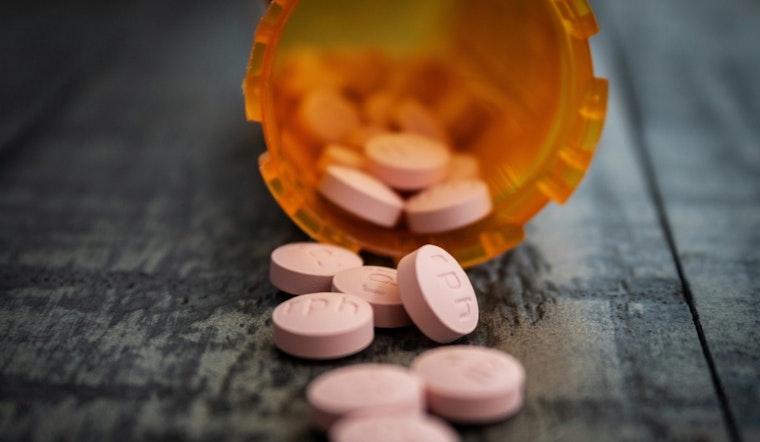
Pasco County is steering opioid settlement cash into a homegrown mix of prevention, treatment and training, teaming its Opioid Task Force with University of South Florida experts in a bid to drive down overdose deaths. The strategy combines grants for local recovery groups with data tools and clinician education, so county leaders say the effort reaches both the street level and the systems that support it.
Local fund set up to steer settlement money
The county has created an Opioid Treatment, Prevention and Recovery Fund that sends settlement dollars back to community-based organizations providing treatment, prevention, harm reduction and broader abatement work, according to the Community Abatement Plan. The plan spells out who can apply, what they must report and which members of the Opioid Task Force will recommend how the money gets divided. Pasco County
State settlement dollars heading back to communities
Recent local coverage has underscored how Florida’s multibillion-dollar opioid settlements are being carved up and sent back to counties and cities, and has spotlighted the Pasco Opioid Task Force and the University of South Florida as key players in the newest phase of that rollout. FOX 13 Tampa Bay reported on the partnership and what it could mean for local response.
USF's simulation and training plan
The University of South Florida is asking state lawmakers to back an Opioid Incident Response program that would build simulation models for counties and expand continuing-education training on non-opioid pain management. A local funding request filed in the Florida Senate describes tools that would help counties decide where to place opioid antagonists and other resources, and outlines a $3.9 million request to scale the program to reach hundreds of providers and more than 800 individuals. Florida Senate
Where the settlement money comes from
Florida’s attorney general says the state has secured more than $3 billion through national opioid litigation, with the proceeds reserved for abatement efforts that include prevention, treatment and recovery programs. Those funds are being rolled out over time through a framework that directs how the state, counties and cities can spend their shares. The settlement portal and allocation rules are housed with the Florida Attorney General's Office.
On the ground
Local recovery workers and county staff say the mix of grants and training matters because services are still thin in many neighborhoods. County support-services specialist Nicole O’Neill told reporters the county wants “organizations that are already out there with their boots on the ground” to apply for funding, while recovery leaders have warned publicly that “there's really not enough resources” to keep up with overdose trends. FOX 13 Tampa Bay
What’s next for local groups
Pasco’s abatement plan adds annual reporting deadlines and another layer of oversight that is supposed to keep spending tied to approved abatement activities, so local organizations are being urged to keep an eye on the county portal for grant cycles and updated guidance. At the same time, other Tampa Bay efforts, such as the Crisis Center of Tampa Bay’s community paramedicine program that helps overdose patients move into treatment, show how locally run services can work alongside state settlement funding. Pasco County and WUSF lay out more detail on how the grants work and how regional services are being deployed.



