

























































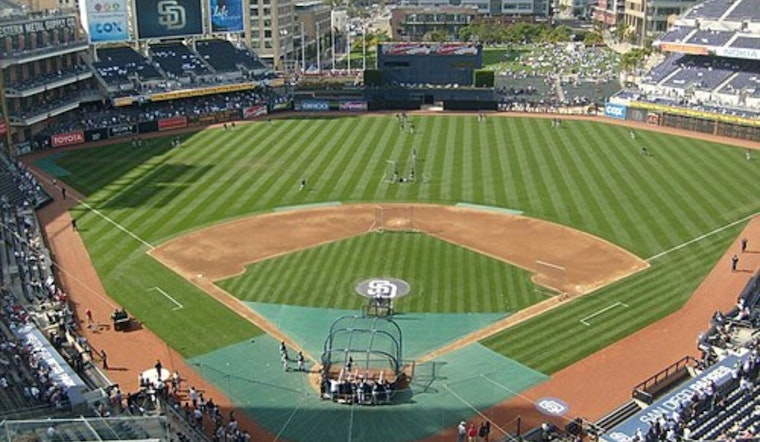
As would-be buyers circle the San Diego Padres, Petco Park is turning out to be more than a pretty backdrop. It is part of the package. The ballpark sits on city-owned land, wrapped in a web of agreements that spell out who controls the building, who pays what, and when any ownership stake can change hands. Those legal and financing ties will help determine which bidders can actually close a deal and what they must promise to keep the team in San Diego. For locals, that means any franchise sale is as much a civic planning exercise as it is a sports headline.
Who owns Petco Park, and why it matters to a sale
The City of San Diego keeps title to the site itself, while the Padres built and operate the ballpark improvements under a package of agreements created when Petco Park was developed. Under the city’s memorandum of understanding, the team’s right to occupy the ballpark is tied to the financing tool that paid for construction, and the agreements lay out how operating costs are shared and how a sale or purchase of the city’s interest in the facility would work. Those provisions affect how bidders price long-term obligations. City of San Diego documents provide the baseline playbook for any stadium-related negotiation.
Key stadium dates buyers are tracking
Prospective owners are not only bidding on the roster and the brand, they are buying into a calendar. A memorandum from the City Attorney explains that the Joint Use and Management Agreement, or JUMA, carries an initial expiration that aligns with the city’s financing schedule, with Oct. 15, 2031 cited as the JUMA’s initial end date. The Padres also hold two five-year options to extend their occupancy, details that could determine whether a buyer lands long-term stadium control or a shorter window. Office of the City Attorney records spell out how those dates and options work.
Why the fine print could decide the winning bid
The contract language, not just the headline price, can tilt the outcome of a sale because it shapes who is on the hook for any remaining public debt and for future upgrades. As The San Diego Union-Tribune reporting has detailed, clauses tied to bond repayment, reversion of improvements, and exclusive negotiation windows can either help lock the team into San Diego or leave a new owner with a relatively short runway to try to rework stadium control.
Suitors are already measuring the ballpark
Padres chairman John Seidler has publicly said, “The Padres aren’t moving from San Diego,” while also acknowledging that there is strong market interest in a sale. MLB.com covered his remarks, and industry reporting has noted that prospective bidders, including high-profile figures who have toured Petco Park, are baking the stadium constraints into their offers. Sports Business Journal has reported interest from outside investors who have made site visits.
Money, municipal bonds and the bottom line
The structure of the city’s public financing looms large in any price calculation. Outstanding municipal bonds, tax revenues pledged to the project, and the Padres’ private obligations all reshape a buyer’s valuation. Reporting has noted that the city refinanced lease-revenue debt tied to the ballpark in recent years, a reminder that any incoming owner has to account for both ongoing operating costs and legacy financing when sizing up the franchise. Forbes has outlined how those financing pieces intersect with the lease terms.
Legal leash on any big move
The agreements also build in explicit legal checks. The memorandum of understanding and the JUMA place limits on unilateral changes and, in many situations, require voter approval for significant modifications. As the documents state, “this MOU may not be modified or amended without the affirmative vote of a majority of the electorate,” language that gives residents and city officials real leverage over any attempt to reshape the stadium deal. City of San Diego rules, in effect, act as a municipal leash on relocation or sweeping redevelopment plans.
What it all means for San Diegans
In practical terms, a buyer can write a check for the Padres, but city documents dictate the type of stadium control that comes with the team and the timeline. That mix of franchise value and municipal constraints will influence which bids are credible, what contingencies the Seidler family is willing to accept, and whether San Diego holds on to both the club and the surrounding benefits Petco Park has helped generate. For a closer look at the underlying agreements and local stakes, see coverage by The San Diego Union-Tribune.





