

























































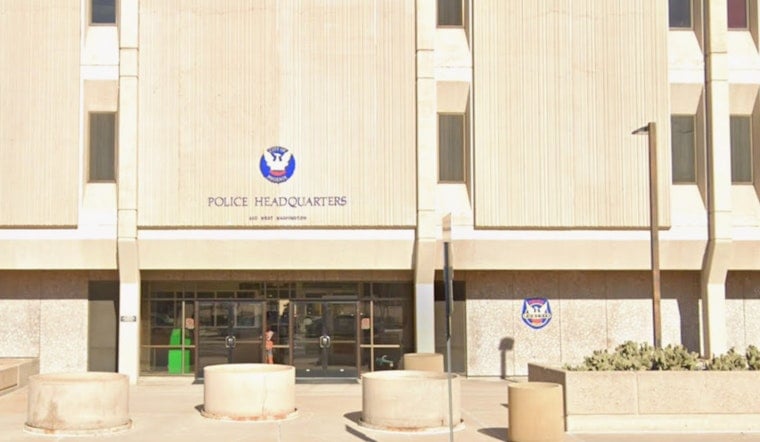
Phoenix police have closed out one of the city’s ugliest protest scandals with a decision that leaves officers effectively untouched. On March 20, the department announced that no current or former officers will be disciplined for their roles in the 2020 episode in which protesters were labeled as members of a made-up street gang. An internal review ordered by Chief Matt Giordano did find policy violations, but the department says those responsible are no longer on the payroll, so there is no way to punish them administratively. The announcement caps years of reporting, court rulings and civil claims that have hung over Phoenix since the arrests.
Police say internal review is finished
According to a March 20 press release, the Phoenix Police Department’s Professional Standards Bureau wrapped up an administrative review of the fake-gang case and sent its findings to Chief Giordano. Investigators examined six employees and concluded that three violated department policy. The release also notes that four of the six are no longer employed by the department, and that Pinal County prosecutors told Phoenix in August 2025 they would not pursue criminal charges. That left the case in the realm of internal policy, not criminal discipline.
The department says it has rolled out a slate of reforms since 2020, including a new First Amendment policy and mandatory training tied to protest response and accountability. The full statement is posted by the Phoenix Police Department.
Retirements mean no discipline
Reporting by ABC15 says sources told the station the three officers found to have violated policy have already retired or otherwise separated from the force, which, under current rules, blocks the department from imposing discipline.
ABC15 identified Sgt. Doug McBride as a central figure in the grand jury presentation that helped create the fake-gang narrative. Court records and the city’s own probe described parts of his testimony as “egregious.” The station reports McBride retired in December 2025 and now collects about $98,000 per year in pension. For critics, that combination of a harsh court description and a comfortable retirement has become a symbol of how the case ended.
Investigators and courts found serious misconduct
A city-commissioned independent review concluded that Phoenix police and county prosecutors built the alleged gang case on uncorroborated evidence, shut out the department’s specialized gang unit, and leaned on shaky sources. A judge later described key testimony in the case as “egregious,” echoing the review’s harsh assessment.
The U.S. Department of Justice reached similarly damning conclusions, finding that the Phoenix Police Department engaged in practices that unlawfully restricted protest activity and calling for broad reforms that go well beyond the fake-gang incident. Those documents are available in the Ballard Spahr independent report and the Department of Justice findings.
Settlement eased some claims but suits continue
The legal fallout has been expensive. In December 2024, the Maricopa County Board of Supervisors approved a $6 million settlement to resolve the county’s share of a civil lawsuit stemming from the 2020 arrests. That move led most of the protesters who sued to accept payouts from the county.
The county agreement did not clear the slate for everyone. It ended Maricopa County’s exposure but left the City of Phoenix and the police department as defendants, and ABC15 reports that a small number of plaintiffs are still pursuing their claims. Additional coverage of the settlement is available from AZFamily.
Legal fallout and reforms
While Phoenix officers avoided discipline, the prosecutor who led the grand jury presentations did not. The Arizona Supreme Court affirmed a two-year suspension from practicing law for former Maricopa County prosecutor April Sponsel, after a disciplinary panel found she violated multiple rules of professional conduct in connection with the case.
At the same time, the Department of Justice report urged systemic change, and city officials say they have already adopted a number of those recommendations, including new training and updated accountability measures inside the department. The court’s decision is posted by the Arizona Supreme Court, the findings are detailed in the Department of Justice report, and the policy changes are summarized in the March 20 statement from the Phoenix Police Department.
What’s next for Phoenix
Advocates and some attorneys say the outcome underscores how limited internal accountability systems can be when key players retire or resign before the music stops. They are now looking to elected officials and federal overseers to push for consequences that go beyond policy tweaks and training slides.
For now, the Justice Department’s recommendations and the remaining civil lawsuits appear to be the most realistic paths to additional remedies. Community groups insist they will keep pressing for transparency and stronger oversight of protest policing. Local reaction from activists and lawyers is collected by the Phoenix New Times.





