

























































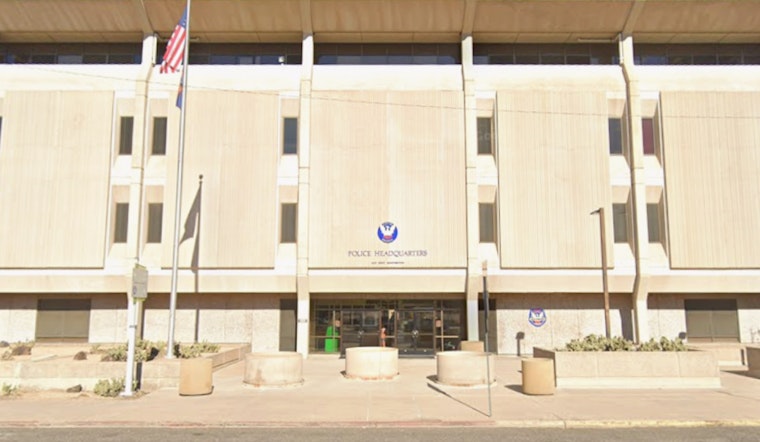
The Arizona NAACP is blasting a Phoenix jury's not guilty verdict for Israel Devoe after a violent 2024 traffic stop, arguing it spotlights what the group calls a long-running pattern of excessive force and weak oversight inside the city's police department. Jurors watched body-camera clips from the November 2024 stop that defense attorneys compared to a high-stakes, chaotic version of the children's game "Simon Says," and Devoe was acquitted on all charges. Civil-rights leaders and Devoe's attorneys say the outcome, paired with internal reviews that found officers acted "within policy," is fueling fresh demands for state-level legal changes.
What jurors saw inside the courtroom
Across a two day trial, jurors heard testimony and watched body-cam footage that defense lawyers argued showed officers barking rapid, overlapping commands, then moving almost immediately to a forceful takedown that included punches, knees and elbows to Devoe. Prosecutors had charged him with four felonies, including aggravated assault on officers and resisting arrest, but the jury returned unanimous not guilty verdicts. Internal Phoenix police documents later concluded the officers' response was within department policy, and the department has declined to comment as Devoe prepares a civil lawsuit, according to ABC15.
NAACP pushes for overhaul of officer protections
Sarah Tyree, president of the Arizona NAACP State Conference, said the Devoe case "reflects a pattern our communities know all too well" and urged lawmakers to repeal or significantly amend the state's Peace Officers' Bill of Rights so outside oversight can have real teeth. Tyree argued that meaningful accountability is nearly impossible under current rules and pressed voters to lean on their legislators for reform, a call to action first reported by ABC15.
Federal civil-rights findings still cast a shadow
The controversy lands against the backdrop of a 2024 Department of Justice findings report that concluded the Phoenix Police Department engaged in a pattern or practice of excessive force, discrimination and weak oversight. Federal investigators said they found "reasonable cause to believe" the department used excessive force and discriminated against Black, Hispanic and Native American people, among other civil-rights violations, according to the U.S. Department of Justice. The federal push for formal oversight was later halted in 2025, a move reported by local outlets as drawing sharp criticism from civil-rights groups and prompting city leaders to press ahead with their own, more limited reforms, per Arizona's Family.
Devoe case echoes another high-profile arrest
Devoe's attorney, Jesse Showalter, also represents Tyron McAlpin, a deaf Black man with cerebral palsy whose July 2024 arrest generated widespread outrage after body-cam video showed officers punching him and repeatedly deploying a Taser. McAlpin's charges were later dropped, and the footage helped trigger an independent review; prosecutors dismissed the remaining counts in October 2024, according to CBS News. Lawyers for both men say the two arrests, and the way supervisors handled them afterward, point to systemic problems that could be laid bare through civil litigation.
What comes next for Phoenix and its police
Devoe plans to file a civil lawsuit against the city, his attorney said after the trial, setting up a legal clash that could test how internal policy findings and state-level protections for officers shape accountability in practice. Civil-rights groups argue that real change will require both legislative fixes and culture shifts within the department, while city officials point to a slate of measures the Phoenix City Council adopted in 2024 and other reforms currently underway. City documents and council materials detail steps taken after the DOJ findings report, though critics insist those moves still fall short of full accountability, according to the City of Phoenix.





