

























































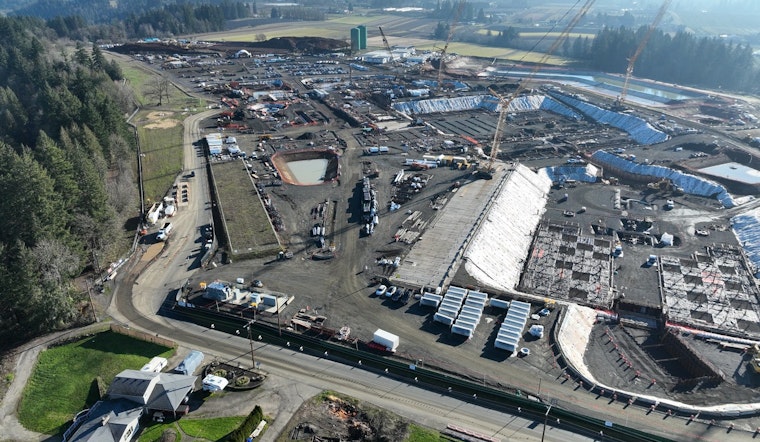
Portland’s Bull Run filtration project was supposed to come with its own independent fiscal watchdog. Instead, the oversight promise quietly disappeared while the price tag ballooned from hundreds of millions into the multibillion-dollar range. Permitting fights and schedule slips have piled hundreds of millions onto the bill, and now ratepayers and conservation groups are asking a basic question: if the money is pouring out, who exactly is watching the spigot?
Promises Left Hanging
In April 2024, city leaders publicly pledged to create an independent watchdog for the Bull Run program. But reporting later showed that the pledge never turned into a stand-alone oversight body. Internal correspondence, including a June 14, 2024 memo from then Water Bureau director Gabriel Solmer, recommended forming an oversight group. Solmer was placed on administrative leave shortly afterward, according to reporting by OregonLive. Environmental advocates told reporters there is “not adequate oversight” on the project, sharpening doubts about whether the original promise ever had real backing inside City Hall.
Price Tag Keeps Climbing
By February 2026, the city’s cost estimate for the filtration project had jumped to about $2.56 billion, roughly $450 million more than the previous figure. City officials have tied that increase largely to permitting delays. At the same time, they announced that Portland has asked the Oregon Health Authority for a 24-month extension to the current September 30, 2027 compliance deadline to make up for time lost during appeals. The city’s own briefing materials on the project’s finances and schedule are posted at Portland.gov.
Land-Use Fights Stretch the Schedule
Opponents and nearby landowners have twice appealed the project’s permits, and the Oregon Land Use Board of Appeals remanded key approvals, forcing work stoppages and additional reviews. City officials say those procedural do-overs added months to the schedule and more cost to the ledger. Industry and local coverage documented the shutdowns and the administrative steps the city took to respond, while critics argue the drawn-out process exposed the downside of relying on ad hoc fixes instead of a strong, independent reviewer from day one. For a closer look at those delays and appeals, see OPB and the investigative work summarized by OregonLive.
How the City Plans to Pay
The Water Bureau is stitching together a familiar funding mix: low-interest federal loans, bond proceeds and rate revenue to cover construction costs and repay borrowing over time. Federal Water Infrastructure Finance and Innovation Act records list a Bull Run program loan in the hundreds of millions, and bureau materials emphasize that stretching repayments across years is meant to soften immediate rate spikes for customers. Financing details are laid out through EPA WIFIA and on Portland.gov.
Site and Stakes
The filtration facility is being built about 18 miles east of Portland on a roughly 95-acre, city-owned parcel. County land-use records list the site as 35320 SE Carpenter Lane in east Multnomah County. Public notices and construction reporting have tracked the project’s stops and starts, from remand to restart, and have shown how each permitting snag translated into extra time and added expense. Site records and coverage can be found via Engineering News-Record and Multnomah County.
Why Oversight Still Matters
City officials say they have shored up internal controls, including assigning a claims analyst to check that spending lines up with contract terms. They also point to affordability programs and federal loans as tools that can help shield households from sudden rate shocks. Critics, however, argue that internal checks are not the same as an independent fiscal watchdog and that the public is still being asked to trust a patchwork of internal safeguards on a project measured in billions. Prior coverage lays out both the city’s fiscal plan and the community skepticism; see OPB and Hoodline’s reporting on related community concerns.




