

























































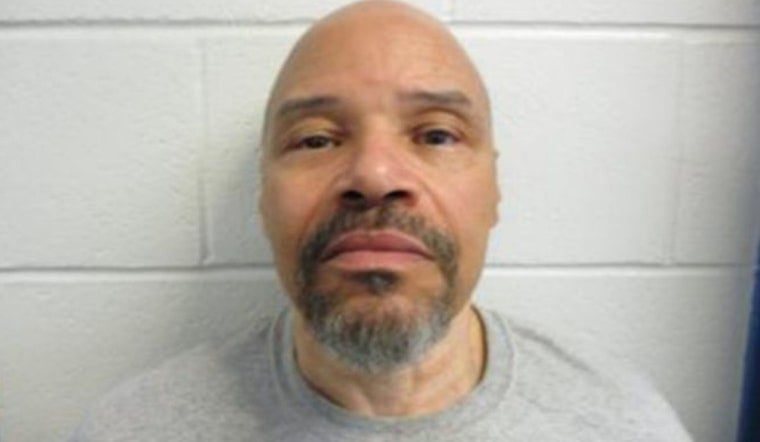
Nearly four decades after a brutal killing rattled Provo, the case of Douglas Stewart Carter is back in a local courtroom and very much alive.
Carter, who spent years on Utah’s death row for the 1985 killing of Provo resident Eva Olesen, appeared Tuesday in Provo district court as lawyers on both sides continued the slow grind toward a retrial. The quick hearing did not lock in a final trial date but kept the case moving after Utah’s highest court threw out his conviction last year, citing serious problems with how the original prosecution was handled.
As reported by KSL NewsRadio, Judge Derek Pullan told attorneys to come prepared next time to select a trial date and set Carter’s next court appearance for April 3. In a quiet but pointed moment, Carter murmured “40 years” in the courtroom, according to reporter Adam Small, a reminder of how long the case has been stuck in legal limbo.
How the case unraveled
The Utah Supreme Court agreed with a district court that Carter’s original trials were riddled with “numerous constitutional violations,” including suppressed evidence and knowingly false or coached testimony. The court’s May 15, 2025, opinion details findings that investigators gave financial help to key witnesses and pressured them to alter their stories, conduct that the justices said eroded confidence in both the verdict and the death sentence. The Supreme Court's opinion lays out how those issues came to light.
Those revelations led the high court to order a new trial, a dramatic turn recounted in local coverage of the ruling, including a report on overturning the 1985 Provo murder conviction, as per Hoodline.
What prosecutors say
Utah County prosecutors say they will go back through the evidence but have already signaled in public statements that they intend to seek the death penalty again if a new jury convicts Carter. That stance, which would put the case’s highest possible punishment back in play, is reflected in filings and reporting obtained by FOX13.
Next steps and practical hurdles
Both sides now have to navigate the realities of retrying a homicide from the mid-1980s. Much of the evidence is decades old, some of it may have deteriorated, and witnesses are older, scattered, or harder to track down. The Utah County Attorney’s Office has said it will “thoroughly and carefully re-examine all the evidence” before deciding how to proceed and whether it believes there is enough proof to take the case back to a jury. The county's statement outlines the review and the work ahead.
Legal stakes
In tossing the conviction, the high court found that the state violated both Brady and Napue protections, which guard against the suppression of favorable material and the use of uncorrected false testimony. Those conclusions were central to vacating the verdict and sentence. That legal backdrop all but guarantees any retrial will be closely watched and heavily litigated, with appeals likely regardless of how a future jury rules. The opinion spells out the constitutional grounds behind the ruling.
Relatives of Eva Olesen have repeatedly voiced frustration that her killing remains unresolved as courts sift through evidence and testimony from so long ago, a tension officials acknowledge even as they point to their obligation to address constitutional errors. With Carter due back in court April 3, the coming weeks will clarify whether this long-running case is headed for a full retrial that could once again put the death penalty on the table. The Associated Press has summarized the high court’s action and the competing pressures now facing the justice system.



