

























































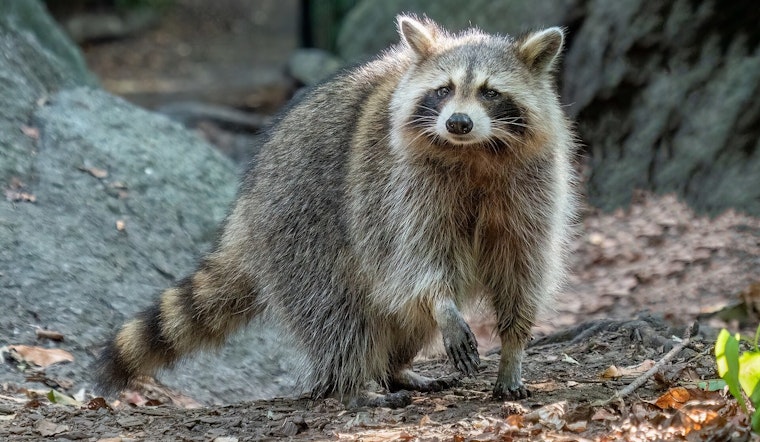
A raccoon in the Dacula area has tested positive for rabies after attacking a dog near Tanner Road earlier this week, prompting a fresh rabies alert from Gwinnett County officials and a reminder to residents to keep vaccinations current.
According to WSB-TV, Gwinnett County Animal Welfare and Enforcement and GNR Public Health say the raccoon attacked a dog on Tuesday, March 17, and the animal tested positive for rabies on Thursday, March 19. Officials told the station that any animal acting strangely or aggressively should be avoided and reported to authorities.
What officials are advising
Per Gwinnett County, unvaccinated dogs and cats that are exposed to a rabid animal must be quarantined for four months and vaccinated before they can be released. The county also advises pet owners to keep animals on their property, avoid leaving pet food or other attractants outside, and teach children not to approach or touch wildlife.
Rabies basics
The Centers for Disease Control and Prevention notes that rabies attacks the central nervous system and is almost always fatal in humans if left untreated. Early symptoms can include fever, headache and general weakness.
Because symptoms can take weeks or even months to appear, health officials stress that anyone who is bitten or scratched by an animal should seek medical care right away and make sure to tell providers about the possible rabies exposure.
How to report an exposure
If you or your pet may have been exposed, GNR Public Health advises contacting the district office at 770-339-4260 to reach the epidemiologist on call.
To report a suspicious animal or request pickup, contact Gwinnett Animal Welfare and Enforcement’s bite office at 770-339-3200, ext. 5576, or non-emergency dispatch at 770-513-5700 after hours.
Officials say avoiding wildlife and keeping pets' shots up to date remain the best protections against rabies. Anyone with concerns about an exposure is urged to contact public health or seek medical care without delay.





.jpg)