

























































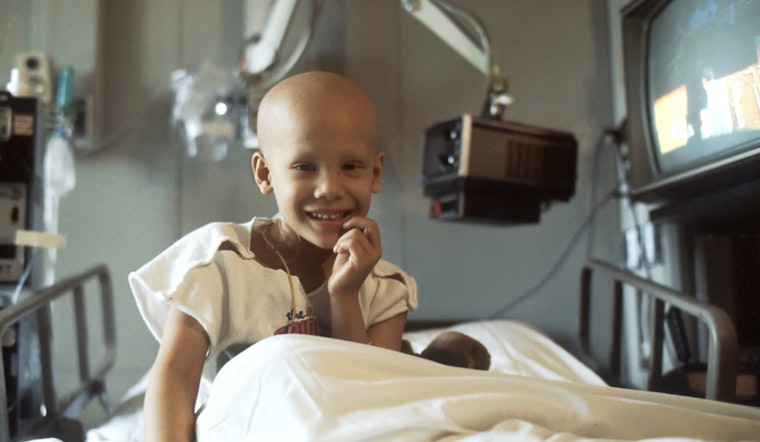
Raleigh — Lung cancer is still one of the scariest diagnoses anyone in the Triangle can hear, but the numbers tell a story that would have sounded almost impossible a decade ago. Five-year survival for people diagnosed with lung cancer has climbed to roughly 30 percent, a jump that local oncologists and national reports link to immunotherapy, better testing and more people getting screened. Treatments that once bought patients a few extra months are now delivering durable, multi-year responses for a meaningful minority of people, and clinic conversations are shifting from crisis management to long-term planning and survivor follow-up.
National data back up what Triangle doctors say they are seeing exam room by exam room. According to the American Lung Association, the national five-year lung cancer survival rate is about 29.7 percent. The American Cancer Society Cancer Statistics 2026 review similarly tracks steady gains in survival and credits earlier detection plus newer therapies, especially immune checkpoint inhibitors, for much of the improvement.
Closer to home, Triangle Business Journal reported a similar 30 percent five-year figure for 2025 and noted that WakeMed sees roughly 200 to 300 new lung cancer patients each year. WakeMed clinicians and patient stories on the health system's site describe a clear shift in routine care: genetic testing, targeted drugs and checkpoint inhibitors now sit alongside surgery and radiation as standard parts of many treatment plans.
Trial Results Show Durable Gains
Immune checkpoint inhibitors have delivered some of the most striking gains for people with advanced disease. Randomized trials that added PD-1 or PD-L1 inhibitors to traditional chemotherapy showed higher long-term survival than chemotherapy alone. One example often cited in clinic: the phase 3 KEYNOTE-189 five-year update reported a meaningful overall survival advantage for pembrolizumab plus chemotherapy in metastatic non-squamous non-small cell lung cancer, according to a J Clin Oncol report.
Other large studies reset expectations for earlier stages of lung cancer as well. The PACIFIC consolidation trial found that adding durvalumab after chemoradiation for unresectable stage III disease raised five-year survival, and long-term CheckMate-816 results showed that neoadjuvant nivolumab plus chemotherapy significantly improved five-year overall survival after surgery. Together, those updates have helped push immunotherapy into standard practice across multiple stages of lung cancer (PACIFIC review; CheckMate-816).
What This Means for Triangle Patients
For patients in Raleigh and across the Triangle, the message is cautiously hopeful and very practical. There are more ways than ever to extend life and control disease, but catching lung cancer early still changes the odds more than any drug can. The U.S. Preventive Services Task Force recommends annual low-dose CT screening for adults age 50 to 80 who have at least a 20 pack-year smoking history and who either still smoke or quit within the past 15 years, according to the USPSTF.
Even so, screening is far from routine. The American Lung Association found that only about 18 percent of eligible people were screened in 2022, leaving a large pool of residents whose cancers are still being discovered late, when treatment is tougher and options are fewer. Local programs are working to close that gap with outreach and education that try to get high-risk patients into scanners before symptoms ever appear.
Barriers Remain
Despite the progress, experts warn that the benefits are not reaching everyone equally. The American Cancer Society's 2026 review highlights persistent disparities in who gets access to new tests and drugs and cautions that proposed cuts to research funding and health coverage could undercut the recent survival gains. In response, local hospitals, academic centers and nonprofits around the Triangle say they are expanding screening outreach, clinical trial enrollment and patient navigation services to help more residents reach these newer therapeutic options.
For Triangle residents, the rise in survival is real but not automatic. It represents years of work in research labs, clinical trials and community clinics, along with a growing menu of therapies that still depend on timely testing and access to care. If you think you may be at risk, talk with your primary care doctor about lung cancer screening, and ask whether molecular testing or immunotherapy trials might be available at centers such as UNC Lineberger.





