

























































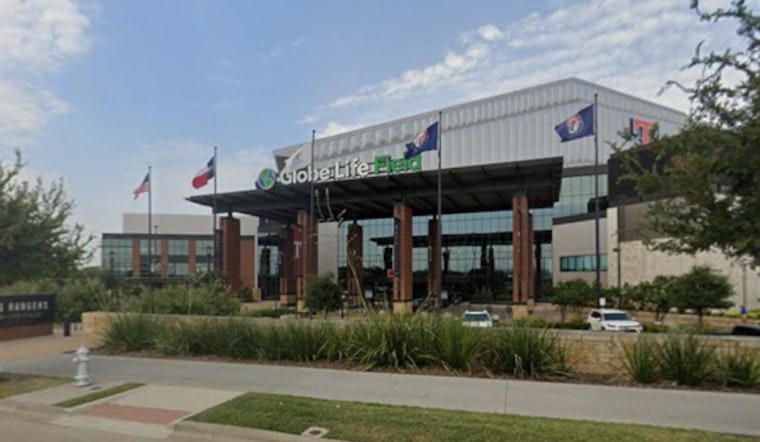
Without any big announcement, the Texas Rangers quietly installed the 12-foot bronze "One Riot, One Ranger" statue on the left-field concourse at Globe Life Field today, bringing back into public view a figure that had stood in Dallas for decades before being taken down in 2020. The sculpture was removed from Dallas Love Field during the racially charged summer of 2020 and held in storage while officials wrestled over its fate. Now it sits inside the Rangers' ballpark, already stirring fresh debate over how public spaces handle symbols that come with a complicated past.
What the Rangers installed
The club accepted and placed the 12-foot bronze on the left-field concourse, where it will greet fans entering the north entrance, as reported by The Dallas Morning News. Team officials and foundation representatives attended the Monday unveiling, and the organization said the display is meant to honor law enforcement and first responders. The Rangers Association Foundation had custody of the artwork and started the conversations with the club about putting it on view at the ballpark.
Why it left Love Field
The statue was taken down from Love Field in June 2020 after reporting tied to Doug J. Swanson’s book Cult of Glory refocused attention on episodes of brutality and racism in the Rangers’ history and on photographs of Rangers at segregation-era protests. City and airport officials said at the time that the piece would be moved into storage while the public debated whether and how it should be displayed, and local outlets covered the removal. Those historical details and the excerpt are laid out in an analysis by D Magazine, and broadcasters documented the airport removal, as reported by NBC 5.
Rangers and foundation defend the decision
Russell Molina, a board member of the Texas Rangers Association Foundation, said the organization recognizes that the history of the Texas Rangers, like that of our state and nation, includes moments that must be confronted honestly, and he disputed that the statue is unequivocally modeled on Jay Banks. Ray Davis, the team's majority owner, told attendees the foundation had once planned to display the piece at a proposed museum in Waco that never materialized and that the club now hopes the ballpark display will honor first responders and law enforcement. Those comments and details about the transfer were reported by The Dallas Morning News.
Artist, origin and the larger context
The bronze was sculpted by Waldine Amanda Tauch and was donated to the city in 1961 by restaurateur Earle Wyatt and his wife, according to public records and the statue's encyclopedia entry. Reporters and historians say the figure was modeled on midcentury Rangers and that the "One Riot, One Ranger" inscription is tied to stories, some mythic and some ugly, about the agency’s role in policing and race relations. Those artistic and historical notes are discussed in an extended excerpt in D Magazine, and the basic provenance is summarized on the public record at Wikipedia.
With the statue now back in front of crowds, fans, civic leaders and historians are likely to revisit long-running arguments about how the region remembers its past and where a piece like this belongs. We will update this story as officials, the foundation and community groups respond.




