

























































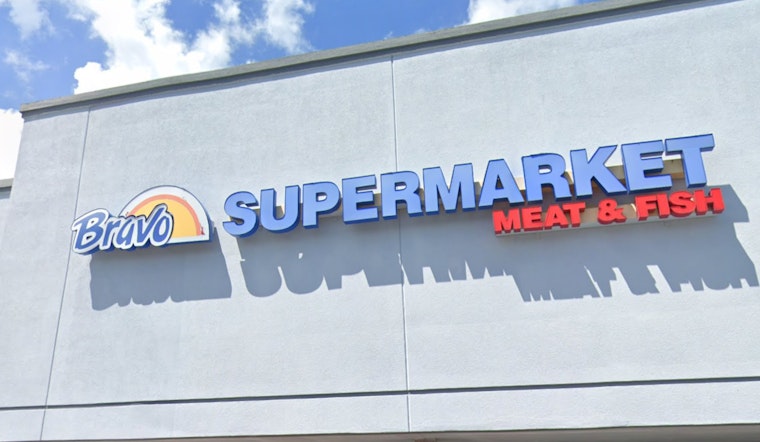
A routine state inspection at a Bravo Supermarket in Richmond Heights turned into a serious cleanup order after regulators found filthy equipment, food sitting at unsafe temperatures and an in-store ad pushing the bogus claim that coconut water prevents cancer.
According to Miami Herald, Florida Department of Agriculture and Consumer Services inspectors showed up March 2 at the Bravo at 11247 SW 152nd Street. Inspectors Guisella Uribe and Wenndy Ayerdis used their stop-sale and stop-use authority after documenting multiple violations, ordering staff to throw out compromised products and fix broken equipment. The Herald reports the store repaired at least one cold unit and that FDACS lifted that particular stop-use order three days later.
What inspectors can do and why
Under Florida statute, state inspectors can issue stop-sale and stop-use orders that lock down food or equipment until officials clear them. Those orders can lead to product destruction, administrative fines or permit actions, and they are designed to protect the public while a business cleans up its act.
What inspectors documented
The March visit turned up a laundry list of temperature and sanitation problems at the Richmond Heights Bravo, according to Miami Herald. Inspectors reported a heavily leaking air-conditioning drain line over the meat department, blades on a conch-tenderizer and coconut-cutting machine caked with old food residue and bags of frozen vegetables left thawing at room temperature.
The inspection also found hot-holding equipment running at 107–124°F, well below the required 135°F, and a deli or cold display case sitting between 42–49°F. In one of the more costly hits, the report says 181 boxes of salted pollock measuring 59–69°F were discarded.
Why the temperature failures matter
The FDA Food Code calls for hot foods to be held at 135°F or higher and cold foods at 41°F or lower to keep bacteria from multiplying. That is why anything sitting outside those ranges landed on the chopping block.
Some of the seized products, including hot dogs, bacon, sausage and other processed meats, fall into the category that the IARC/WHO links to a higher risk of colorectal cancer, highlighting both the short-term food poisoning concerns and the longer-term public health implications (WHO).
What the store and regulators did next
Following the inspection, the supermarket pulled the advertising board that claimed coconut water prevents cancer and started repairing equipment. FDACS used its stop-sale powers to quarantine and dispose of temperature-abused products. Shoppers who want to track what happened next can review inspection reports and any follow-up visits through the FDACS Food Permit Center, which posts stop-sale and stop-use orders along with their release dates.
Legal context
Stop-sale and stop-use orders are formal enforcement tools under state administrative rules and can lead to fines or permit suspension if a store keeps failing inspections, as detailed in state administrative rules. Typically, FDACS returns for reinspections to confirm that violations have been corrected, but repeated or serious problems can escalate to civil penalties or permit action.
If you bought perishable or ready-to-eat food from the Bravo around March 2 and it looks, smells or tastes off, do not eat it. If you develop vomiting, diarrhea or fever, contact a health care provider. To file a complaint or check the store’s current inspection status, visit the FDACS Food Permit Center.





