

























































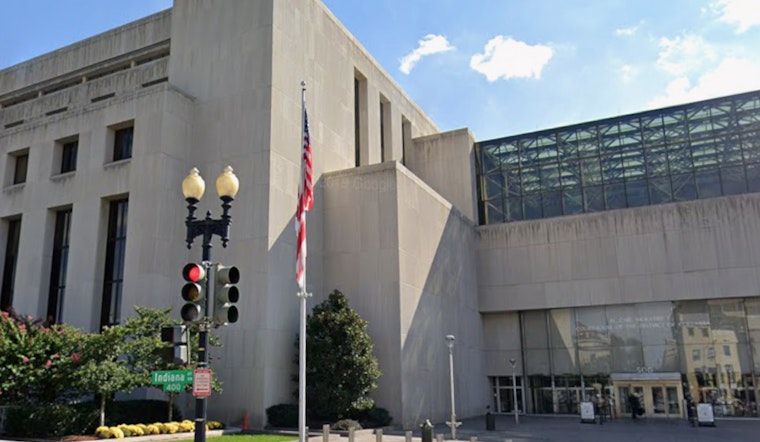
On Tuesday, a D.C. jury began hearing the case against Nakita Walker, the driver accused of causing a March 15, 2023 crash on Rock Creek Parkway that killed three men. Prosecutors told jurors that Walker bolted from an earlier traffic stop, hit very high speeds, then crossed into oncoming traffic. Family members of the three men sat in D.C. Superior Court as opening statements gave way to eyewitness accounts and the first video evidence.
Victims identified, crash scene detailed
The three people killed were identified as Mohamed Kamara, 42, Jonathan Cabrera Mendez, 23, and Olvin Torres Velasquez, 22. All three were pronounced dead at the scene, according to a U.S. Park Police release. The Washington Post reported that Kamara was driving for Lyft that night and the two younger men were passengers heading home from an evening out.
Prosecutors describe a high-speed flight
Prosecutors told jurors that their theory of the case is simple: an officer stopped Walker only minutes earlier, she sped away, at times exceeded 100 mph, then crossed the center line and hit the Honda carrying the three men, according to local reporting. Defense attorneys have already tried to chip away at the case in pretrial hearings, challenging sobriety and lab evidence and filing motions that question chain-of-custody and testing procedures, as detailed by DC Witness.
Bodycam video, red cup, and dueling narratives
Jurors were told they would see body-worn camera footage from a U.S. Park Police officer who stopped Walker near the Kennedy Center just minutes before the crash. In that video, the officer says he saw what he believed was alcohol in a red cup. Prosecutors say a passenger then poured out what they describe as Hennessy and later ran from the scene.
Assistant U.S. Attorney Jamie Carter opened for the government by telling jurors, “They did not have a chance,” referring to the three men in the Honda. Defense counsel countered that Walker hit the gas because she was frightened after seeing a man with a gun. Prosecutors also told the court that the passenger who fled was later found a few blocks away. As WUSA9 reported, the trial is expected to roll on this week with more witnesses and additional evidence.
Defense challenges evidence and intent
Walker’s attorney, Albert Amissah, told jurors the deadly collision was an accident, not a crime, and urged them to treat toxicology results and witness accounts with caution. Judges have already heard arguments over how Walker’s blood and urine samples were collected and stored, and whether certain sobriety tests should reach the jury at all, disputes that the defense says could weaken the government’s timeline and conclusions.
What’s next and the stakes
Walker is charged with three counts of second-degree murder, fleeing from an officer, and assault with a dangerous weapon, according to prosecutors and court filings. Under D.C. law, a conviction for second-degree murder can carry a sentence of up to life in prison, under provisions set out in the District of Columbia code.
The crash also spurred local lawmakers to press for changes to how license suspensions and court reporting are handled in the District in the months that followed, as The Washington Post reported.
As the trial moves deeper into witness testimony and technical fights over evidence, jurors and the public are set to hear more about the minutes before impact on Rock Creek Parkway, a crash that left three men dead and revived long-running questions about how repeat DUI cases are handled in D.C.



