

























































Nearly 500 students, parents and after-school advocates packed the west steps of the California State Capitol in Sacramento on Tuesday, pushing lawmakers to support Assembly Bill 2430, the Bridge & Boost Act. Waving handmade signs and performing short skits and speeches, the teenagers argued that trusted adult mentors, mental health supports and career pathways should beat solitary screen time and “AI chatbots” as sources of emotional support. The show of force was meant to crank up the pressure in Sacramento as the bill moves through the Assembly.
What AB 2430 Would Do
AB 2430, authored by Assemblymember Al Muratsuchi (D-Torrance), lays out the Legislature’s intent to shift existing state funding in order to expand access to learning programs for students in grades 7 through 12 and to line those efforts up with current after-school programs and federal 21st Century supports, according to California Legislative Information. The bill’s language frames the move as a reallocation of current dollars, not the launch of a brand-new program.
Students Say After-School Time Beats an AI Chat
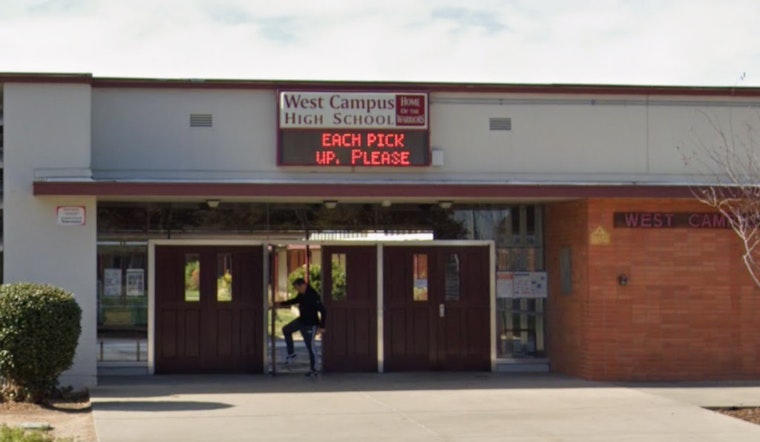
“We need human connection, not AI chatbots,” students chanted as they marched toward the Capitol, telling lawmakers that after-school programs give them real social spaces and real mentors. “It helped me connect with students outside of my high school,” said Justine Chueh-Griffith of West Campus High School, as reported by KCRA. Organizers leaned on live performances and brief testimonials to show how the programs land in students’ lives in ways that do not show up in spreadsheets.
Advocates Push for Older-Youth Programs
Groups that focus on expanded learning say older youth have been largely left out as the state has pumped new money into after-school programs, so serving middle and high school students has become a top policy target. The Partnership for Children & Youth, which coordinates the California Afterschool Advocacy Alliance, lists serving “Older Youth” as one of its statewide priorities and helps staff coalition advocacy in Sacramento, according to the organization’s website. Advocates told lawmakers that teen-centered programming can offer mental health supports, internships and paid pathways into the workforce.
Funding Odds and the Legislative Timeline
Supporters highlighted what they describe as a major funding gap for teens. Organizers said that although roughly one-third of California’s students are in high school, “only 2% of all funding goes to those students,” according to KCRA. At the same time, the bill is slowly working its way through the Capitol. AB 2430 was amended on March 19 and then re-referred to the Assembly Education Committee on March 23, according to California Legislative Information.
Students and nonprofit leaders said the big turnout was meant as a reminder that teens want in-person mentorship far more than algorithmic consolation. With AB 2430 now sitting in committee, advocates say they plan to keep pressing for amendments and funding details that keep trusted adults and quality programming for older youth at the center.





