

























































Small retail spaces that used to be unicorns in the Dallas-Fort Worth market are suddenly sitting empty. Vacancy for tiny storefronts and drive-thru boxes jumped in the first quarter of 2026, leaving strip-center landlords staring at rows of 700- to 1,000-square-foot units that would have been leased within days not long ago. The soft spot is showing up in neighborhood and suburban corners where quick-service restaurants once packed the tenant roster.
According to CoStar, availability of retail spaces of 1,000 square feet or less in Dallas-Fort Worth surged in the first quarter of 2026, marking the biggest jump in that slice of the market since the post-pandemic construction wave. The move was triggered when a major quick-service operator pulled back across North Texas. CoStar notes that this ultra-small format has historically been one of the metro’s tightest leasing niches, so the sudden spike is a rare setback for landlords used to flipping these pad sites in a hurry.
Salad And Go Pullback Left Dozens Of Boxes Empty
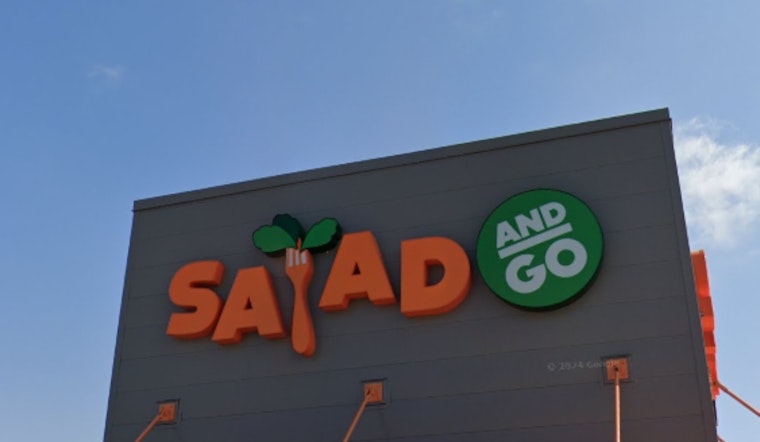
The chain behind the shakeup is Salad and Go, which closed more than 40 locations in a September 2025 round, then announced it would exit Texas and Oklahoma entirely, shutting down its remaining North Texas outposts and shifting corporate operations back to Arizona in early January. Local coverage from FOX 4 also highlighted the closure of a Dallas-area commissary that supplied the brand’s small drive-thru units, a move that magnified the impact on strip centers that had been planned around those compact footprints.
Why Tiny Boxes Matter To Landlords And Investors
Salad and Go built its expansion on compact, drive-thru-first layouts, sometimes as small as 750 square feet, supported by a centralized kitchen in Garland that was designed to serve hundreds of restaurants. That model made the company an unusually large occupier of small-format space in the region. QSR Magazine has detailed those operational choices while covering the chain’s leadership shifts and growth strategy.
The combination of a sudden flood of tiny pads returning to the market and strong investor appetite for compact, convenience-focused shopping centers should, in theory, mean plenty of leasing tours from other quick-service brands, coffee concepts and service operators hunting for lower-cost entry points. Investor reports from The Real Deal and other regional market updates show growing focus on small-format plays in Texas, which could help speed re-tenanting even as the vacancy rate blips higher.
For now, the spike in empty slivers of space is a reminder that even the tightest subsegments can wobble quickly when one heavily concentrated tenant pulls back at once. Landlords and brokers say the next few quarters will reveal whether other concepts can fill the tiny boxes fast enough to keep neighborhood center rents on an even keel.





