

























































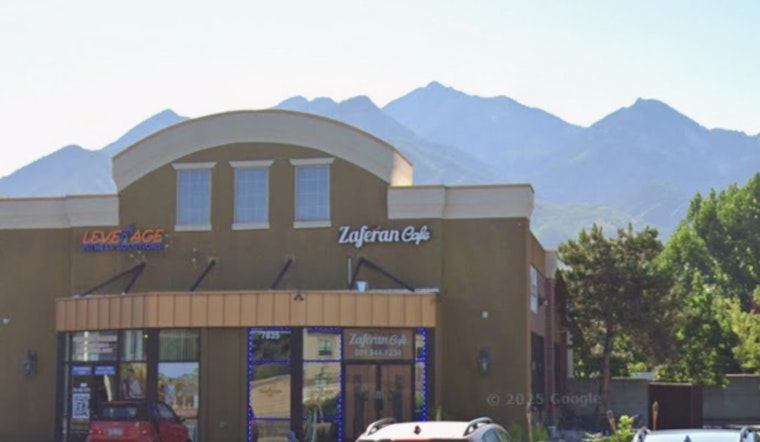
At a small café on Salt Lake City's east side, the fallout from U.S. military strikes in Iran is playing out over tea and saffron rice. Members of the city's Iranian community are watching the upheaval in Tehran with a mix of relief and anxiety, saying the reports that the country's leadership has been hit feel both historic and deeply personal. At Zaferan Café on Sunday, some patrons quietly celebrated what they called a long-overdue blow to the regime. In contrast, others warned that the same strikes could trigger a dangerous escalation. The split lays bare how close this faraway crisis feels for families with ties to Iran.
At the café, Kathy Vazirnejad, who moved to Utah in 1984 and is now a U.S. citizen, told fellow patrons, "Thank you, Mr. Trump," and said many in her circle hope a new government in Tehran would finally open the door to a return. Nearby, Ramin Arani, an engineer and University of Utah graduate who served two years in the Iranian army, told the gathering he believes "history is unfolding" and floated a constitutional monarchy as one possible path forward. People on both sides of the debate said they were glued to phones, checking on relatives in Iran and weighing the human cost of any political overhaul, as reported by KSL TV.
Vazirnejad told the same outlet that about 85 percent of Iranians she knows support the return of the Shah's family and that roughly one in five expatriates she knows might consider moving home under new leadership. Others at the table urged caution. University of Utah law professor and Middle East analyst Amos Guiora warned of the potential human toll if the conflict drags on or leads to U.S. boots on the ground. The conversation in Salt Lake captured a wider, uneasy hope that change in Tehran will not simply trade one form of repression for another, according to KSL TV.
What happened in Iran
The United States and Israel carried out strikes that officials say targeted Iran's military and intelligence networks, and Iran's supreme leader, Ayatollah Ali Khamenei, along with other senior commanders, was reported killed in the operation. The attacks set off retaliatory strikes across the region. Their aftermath, including reported civilian casualties, travel disruptions and regional counterstrikes, has been documented by international outlets and official statements, according to Al Jazeera and AP. Governments worldwide urged restraint amid fears the violence could widen.
Mixed emotions across the diaspora
Across the United States, Iranian American communities are riding the same emotional whiplash, celebrating the prospect of regime change while fearing a long, bloody conflict that could put relatives back home in the crosshairs. National coverage has captured both street celebrations and urgent pleas from families scrambling to reach loved ones in Iran, as documented by The Washington Post. For many, hope for political change is tightly braided with dread about what might follow.
Locally, experts are stressing how uncertain the next chapter looks. Amos Guiora, a professor at the University of Utah's S.J. Quinney College of Law, has long written about the limits and moral hazards of force and has warned that so-called decapitation strikes can produce unpredictable blowback and civilian suffering. Guiora's work and role at the law school help explain why many in Utah are greeting the moment with wary caution; see his faculty profile at the University of Utah S.J. Quinney College of Law.
For Iranians in Salt Lake, the immediate concerns are practical: safety, keeping lines of communication open with family and wondering whether a changed Tehran might someday offer a real opening to return. Until there are clearer answers, conversations at Zaferan Café and other community hubs will likely keep swinging between cautious optimism and sober worry.





