

























































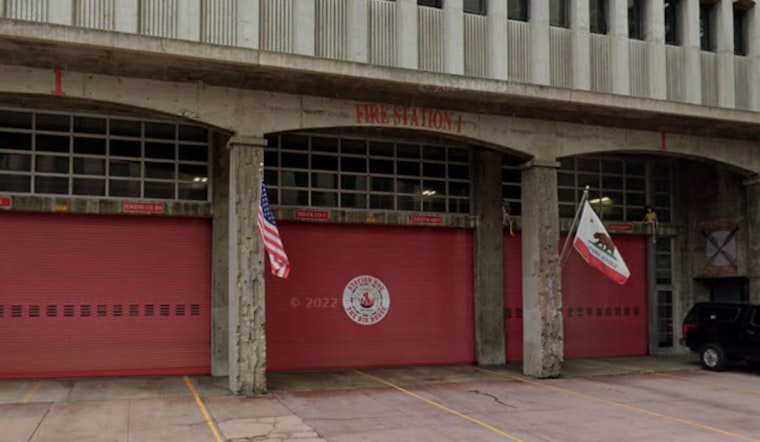
A new city audit released today says San Diego Fire-Rescue crews are taking far longer to get out the door than local and national targets call for, with firefighters often sitting for minutes after dispatch before leaving the station. Auditors say a 2019 dispatch protocol that keeps firefighters on hold while calls are triaged is a big reason why, and that the slow "turnout" times are pushing response times past the city’s goal of 6 minutes and 30 seconds.
What the audit found
The 60-page high-risk re-review from the Office of the City Auditor found that, over the review period, average turnout time was roughly 2 minutes and 54 seconds. For some ambulance dispatches, crews did not roll out for an average of 4 minutes and 20 seconds. Those delays were a major factor in Fire-Rescue missing its arrival-time standard, and the report concludes that the triage pause and slow turnout have likely cost lives, according to the City Auditor.
How the dispatch protocol fits in
Auditors traced much of the lag to a 2019 change in dispatch practice that delays the start of firefighters’ preparations until after calls are triaged, a pause the report labels a measurable "triage delay." At the same time, 911 call volume has climbed by roughly 20 percent in recent years, making that pause more consequential and stretching crews across neighborhoods, as reported by The San Diego Union-Tribune.
City response and next steps
The audit offers three targeted recommendations, including annual reporting on each phase of the emergency dispatch process and a standardized method for measuring turnout time, and urges the department to clearly lay out the trade-offs of its current approach. In a written response included in the report, Fire-Rescue said it agrees with the recommendations and committed to putting them in place within one year, per the City Auditor.
What officials say
Fire-Rescue Chief Robert Logan has publicly agreed to move forward on the audit’s recommendations, though department leaders argue internal data could add important context. City staffer Cody Williams told the Union-Tribune he plans to bring additional response-time data to the Council’s audit committee in June, saying it will present a somewhat different picture of performance, as reported by The San Diego Union-Tribune.
How San Diego stacks up
National model standards for career departments typically aim for turnout times of about 60 seconds for EMS calls and about 80 seconds for many fire responses. That makes San Diego’s multi-minute averages stand out sharply. Industry guidance also stresses that cutting turnout and triage delays is one of the quickest ways to improve arrival times, according to NFPA benchmark coverage from Firehouse.
The audit sketches a short-term playbook for speeding up responses that leans on protocol changes and better reporting rather than immediately adding new stations or staff. City leaders and Fire-Rescue officials now face a simple test in the coming months: whether operational fixes alone can close the gap and whether trimming those minutes will translate into more lives saved on San Diego’s streets.





