

























































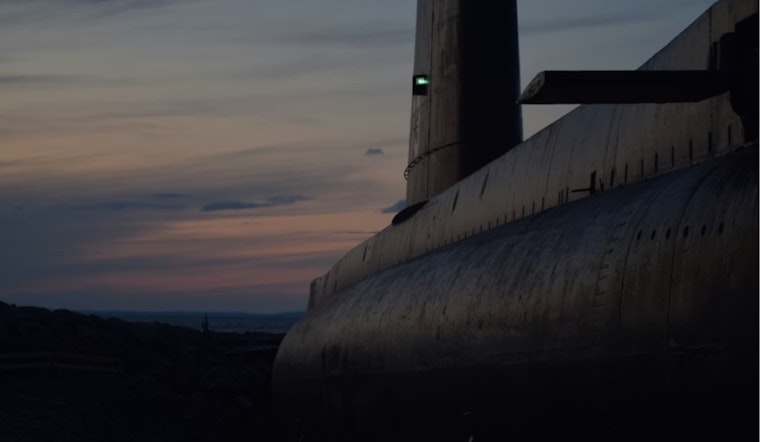
The U.S. Navy is getting ready to say goodbye to three long‑serving workhorses of the Pacific fleet this summer and early fall, including a Los Angeles‑class attack submarine based at Naval Base Point Loma and two surface ships long tied to San Diego. The retirements, laid out in the Navy’s FY‑2026 inactivation schedule, will shuffle pieces of the local fleet and ripple through shipyards and civilian support businesses around the bay.
Which ships are scheduled to leave and when
The FY‑2026 inactivation list gives the official dates. Los Angeles‑class submarine USS Alexandria (SSN‑757) is slated for inactivation on Aug. 4 at Naval Base Point Loma. Whidbey Island‑class dock landing ship USS Germantown (LSD‑42) is scheduled to follow on Sept. 29, with Ticonderoga‑class guided‑missile cruiser USS Lake Erie (CG‑70) right behind it on Sept. 30.
Those dates, along with a broader slate of support‑ship retirements, appear in the Navy’s inactivation schedule and in reporting by USNI News.
San Diego ties and shipyard work
All three ships have deep local roots. USS Alexandria is assigned to Submarine Squadron 11 at Naval Base Point Loma and drew a visit from California state lawmakers in January, underscoring how closely Sacramento watches the San Diego waterfront.
The same Navy inactivation list also flags several Military Sealift Command roll‑on/roll‑off cargo ships built at GD NASSCO that are expected to leave service between April and September 2026. At the same time, NASSCO’s Barrio Logan yard is staying busy, turning out follow‑on support ships that include the future expeditionary sea base USNS Hector A. Cafferata Jr., according to DVIDS, The San Diego Union-Tribune, and a Naval Sea Systems Command release.
Why the Navy is retiring older hulls
Navy officials are pointing to a familiar trio of culprits for the retirements: cost, age, and material condition. In congressional testimony, service leaders highlighted USS Germantown’s unsatisfactory life‑cycle health assessment, citing issues such as rotting wooden decks and crane limitations the argue for taking the ship out of service.
The same inactivation schedule designates some cruisers and sealift ships as logistics‑support assets, essentially parts donors used to keep other vessels running. That approach and the broader financial pressure on the fleet are detailed in Navy planning documents and oversight materials drawn from Congressional records.
Where the subs go after inactivation
For nuclear attack submarines like USS Alexandria, inactivation is only the start of a long, tightly scripted endgame. Retired boats are typically defueled and sent through the Ship‑Submarine Recycling Program at Puget Sound Naval Shipyard in Bremerton, Washington, where reactor compartments are handled and reusable systems are pulled for other platforms.
The multi‑year process moves spent reactor compartments into long‑term storage and strips out salvageable parts to support the rest of the fleet. For local sailors and civilian yard workers, that means decommissioning brings ceremonies and paperwork up front, followed by months or even years of downstream work. Background on that program is laid out in the Navy’s Ship-Submarine Recycling Program.
The Navy will announce ceremony dates, crew reassignments and detailed yard timelines as each inactivation draws closer. In the meantime, San Diego’s shipyards and maritime workforce will be watching the calendar, balancing the loss of some of the harbor’s oldest hulls with a steady stream of new construction and maintenance work.



