

























































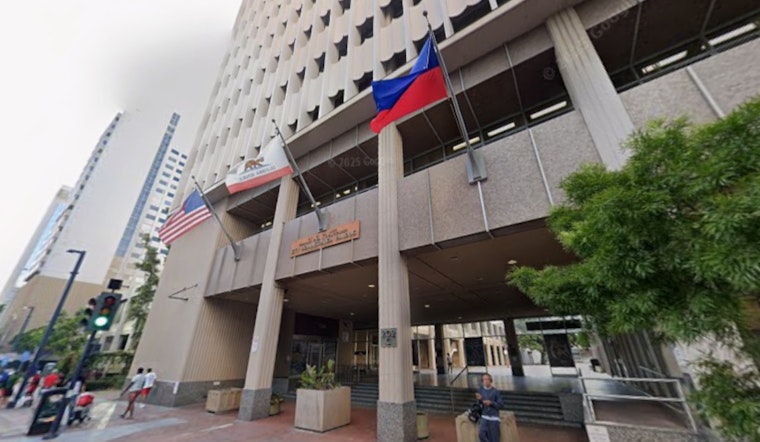
The San Diego City Council is set to take up a sweeping speed management proposal this week that could drop posted limits on about 20% of the city’s streets. The package targets school zones, crash-prone corridors, and busy commercial districts in a bid to cut down on fatal and serious injury collisions. If the full council signs off, hundreds of miles of local roads would see lower speed limits phased in over the next several years.
What the plan would change
The Comprehensive Speed Management Plan flags about 679.1 centerline miles, roughly one-fifth of San Diego’s roadway network, as candidates for reduced speed limits, according to the City of San Diego. That breakdown includes 189.6 miles labeled as Safety Corridors, about 371.1 miles that qualify for school zone reductions and roughly 58.7 miles within Business Activity Districts. City officials emphasize that every single change will still require on-the-ground verification and individual council approval before new signs actually go up.
Where reductions would land first
City staff and street safety advocates say the first round of slower limits would home in on school zones, corridors with lots of people walking or biking and business streets where customers are regularly crossing and parking. “We know that speed is one of the biggest determinants of the result of a crash, and that slow speeds save lives,” Ian Hembree of the San Diego County Bicycle Coalition told KPBS. The effort leans on recent state law changes, including AB 43, that give cities more flexibility to set context based speed limits.
Local hotspots and recent crashes
The push arrives as neighborhood leaders and councilmembers highlight a run of deadly wrecks, particularly in Pacific Beach, to argue the city needs to move faster on speed. Local coverage points to at least eight Pacific Beach streets that could see lower limits, including Garnet Avenue and Grand Avenue, and notes that the plan reached council after recent fatal collisions in the area, according to 10News. Councilmembers who represent the beach and central districts say those corridors are especially in the spotlight.
Timeline and price tag
City staff estimates it would take about a year and around $2.4 million to put up new speed limit signs along the identified segments, KPBS reports. The city’s plan says implementation is expected to begin in Fiscal Year 2027, depending on funding and future budget approval from the council. Officials and advocates also note that signs by themselves will not cut it, with the framework pairing new limits with traffic calming projects, intersection upgrades and public outreach.
What to expect at the council meeting
The Comprehensive Speed Management Plan cleared a council committee in February and now heads to the full City Council for a vote, NBC San Diego reports. Even if the council adopts the overall resolution, each individual street segment will still need field checks and follow-up approvals before slower speeds officially take effect. The authority to make these kinds of context-based reductions stems from state law reforms that took effect in recent years.
Whether the proposal satisfies residents, business owners and safety advocates will likely play out in public comment at the hearing. Supporters argue that slower speeds save lives, while some neighbors are expected to call for matching street redesigns and enforcement to make the numbers on the signs matter. The plan and its detailed maps are available through city materials and local coverage, as summarized by Times of San Diego.





