

























































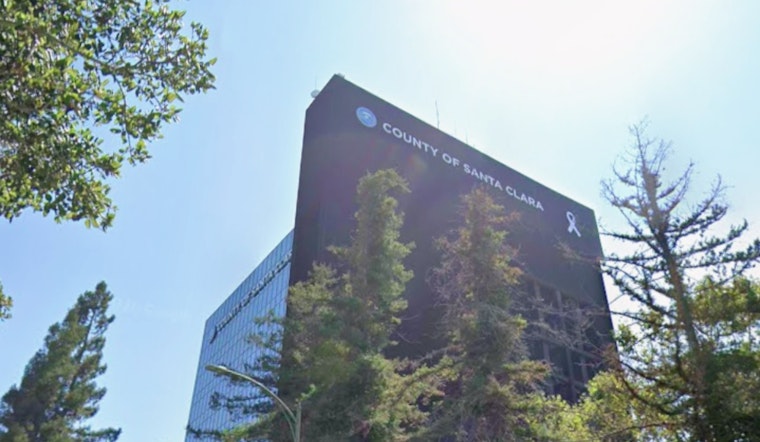
In a closely watched Santa Clara County case, a San Jose judge is weighing a defense bid that could sideline District Attorney Jeff Rosen and his entire office from the retrial of five Stanford students charged with felony vandalism. Defense lawyers argue Rosen used the prosecution as campaign fodder to boost fundraising and that his public statements created an appearance of bias that could taint any new trial. A ruling on whether to disqualify the county prosecutor is expected this month and could reshape who actually tries the case.
Deputy Public Defender Avi Singh filed the formal recusal motion in late February, according to The Almanac, and the filing also asks the court to compel additional records from the DA’s office. The motion specifically seeks documents about Rosen’s public fundraising and about a donor outreach that the defense says targeted supporters in the Los Angeles area, as reported by The Mercury News.
How the case began
The charges stem from a June 2024 demonstration in which protesters briefly occupied the Stanford president’s executive offices and, prosecutors say, left behind hundreds of thousands of dollars in property damage. Five students, identified in court records as German Gonzalez, Maya Burke, Taylor McCann, Hunter Taylor-Black and Amy Jing Zhai, were selected for trial from a larger group that was initially charged in the protest sweep. Mountain View Voice and campus outlets have detailed the protest timeline and evolving damage estimates.
Why the first trial stalled
What was supposed to be a straightforward verdict turned into a dead end. On Feb. 13, Judge Hanley Chew declared a mistrial after jurors reported they were hopelessly deadlocked and could not reach unanimous decisions on the felony counts. Reporting indicates the panel split on the two main counts, leaving prosecutors to opt for a retrial rather than accept the stalemate in a high-profile campus case. AP News outlined the breakdown of jury votes and the court’s decision to call a mistrial.
Prosecutors and the records fight
Prosecutors have insisted from the start that this is a property damage case, not a referendum on political speech, and they are pushing to retry the five defendants. The defense counters that public campaign materials and fundraising built around the prosecution have created a conflict of interest. Singh’s motion asks a judge to order the DA’s office to turn over specific emails and donor records that could shed light on that claim. Local outlets have covered both sides of the increasingly heated filings, and KQED has been tracking the paperwork and the dueling narratives in court.
Legal stakes
If the court removes Rosen and his office from the case, the California Attorney General’s office would decide whether to step in and prosecute or simply dismiss the charges. That kind of handoff could slow the case or change its contours entirely. The five remaining defendants still face felony vandalism and conspiracy counts that carry the possibility of prison time and restitution orders if they are convicted, according to KTVU.
What happens next
According to local reporting, the Attorney General’s office has already agreed to assist on the narrow question of recusal and is expected to review the defense motion in mid March. A Santa Clara County judge is slated to rule later in the month. That decision will determine whether the retrial moves forward under Rosen’s leadership or whether state prosecutors step in and decide to take over or drop the case. Mountain View Voice has reported on the Attorney General’s involvement, while The Mercury News has outlined the judge’s upcoming schedule and the defense discovery push.
The recusal fight puts a technical but consequential question front and center in a case that has already stirred campus and community debate: can a prosecutor’s campaign messaging and public comments create enough of an appearance of conflict to change who brings criminal charges to trial? Whether the result is dismissal, a state takeover, or a fresh retrial under the county DA, the ruling is poised to reset both the timeline and the legal posture of a prosecution that is not fading from the local spotlight anytime soon.





