

























































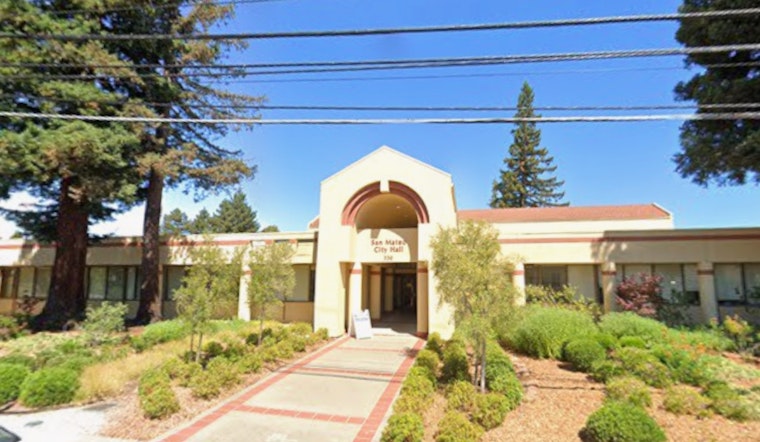
San Mateo is turning the dial toward all-electric living. Last Monday, the City Council voted unanimously to approve a new round of reach-code updates that push homes and commercial buildings toward electric appliances and electric-ready wiring. The rules require heat pumps or higher-efficiency air conditioners when old AC units are swapped out, and they layer on a points-based menu of efficiency measures for major remodels. Council members chose not to speed up the Bay Area Air District's appliance-replacement schedule, opting instead to lean on incentives and hands-on help for residents.
What the code requires
The new reach codes cover single-family homes, duplexes, townhomes and commercial buildings. When an existing air conditioner needs to be replaced, the property owner must install either a heat pump or a higher-efficiency AC unit, according to the City of San Mateo. Many kitchen and laundry remodels also have to include electric-readiness features such as reserved breaker space, receptacles and conduit.
For larger projects, the rules go further. Major renovations of 1,000 square feet or more must meet a points-based list of efficiency and electrification upgrades. The idea is to make later retrofits cheaper by installing low-cost electrical infrastructure while walls are already open and work crews are on site.
Council reaction and vote
At the meeting, Councilmember Rob Newsom pointed to the lack of organized opposition as a definite sign of progress and said he was definitely in support of these reach codes. Mayor Adam Loraine called the move a milestone achievement for our city. The ordinance passed on a unanimous vote, and council members also reiterated their push to electrify city-owned buildings.
As reported by the San Mateo Daily Journal, the measure now heads to state code agencies for filing before it can officially take effect.
Legal context
San Mateo's strategy is playing out against a shifting legal backdrop for local gas restrictions. In California Restaurant Association v. City of Berkeley, the Ninth Circuit ruled in an amended opinion that Berkeley's 2019 ordinance, which would have blocked natural-gas piping in new buildings, was preempted by federal law. That decision has nudged cities toward reach codes that regulate building performance and electric-readiness instead of imposing outright fuel bans. Those constraints help explain why San Mateo focused on targeted upgrades and wiring requirements rather than trying to move up any local gas cutoff date.
BAAQMD timeline and local choices
The Bay Area Air Quality Management District has already locked in a regional phaseout schedule by adopting zero-NOx standards that effectively require electric alternatives. Small residential water heaters must comply with the zero-NOx standard starting January 1, 2027, and residential and commercial furnaces must meet the same standard starting January 1, 2029. San Mateo's council discussed whether to beat those deadlines locally, then chose instead to rely on reach codes and incentives to steer the transition.
The Air District is also offering implementation resources and working-group materials to help contractors and residents adjust to the new equipment standards, according to BAAQMD.
Costs, rebates and next steps
Council members acknowledged that the upfront price tag for electrification remains a touchy subject for many households. They pointed to local and regional programs that aim to bring those costs down. Peninsula Clean Energy and its partners are promoting rebates, vetted contractor networks and educational tools, including the "Switch Is On" outreach campaign, to help homeowners move to heat-pump water heaters and HVAC systems.
City staff told council members they will keep up community outreach and technical assistance as the ordinance is filed with state code bodies and as the city lines up incentives intended to keep these electric upgrades within financial reach.





