

























































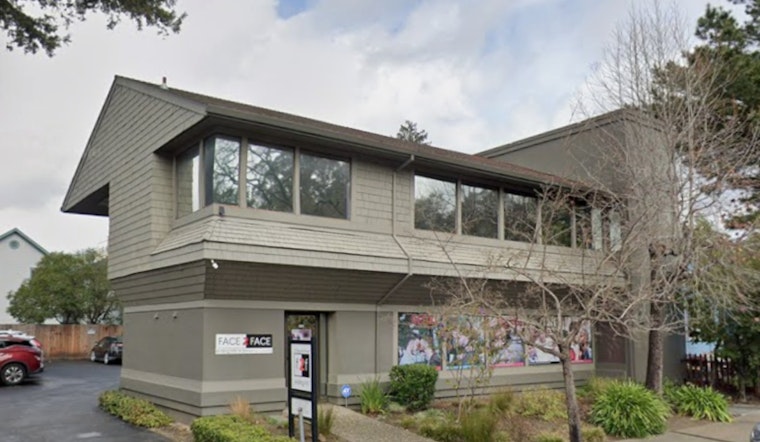
In Sonoma County’s fight against fentanyl, a Santa Rosa nonprofit has quietly become a crucial lifeline. New state and local data show that Face to Face’s harm-reduction push, powered by mobile outreach, vending kiosks and partner distribution, is reaching people in the same neighborhoods where overdoses are happening and is tied to a striking share of reported reversals. Local leaders say the results underscore how low-barrier naloxone access and basic training can blunt the danger of fentanyl in the drug supply.
In 2024, Face to Face accounted for about 66% of reported overdose reversals recorded through Sonoma County’s Naloxone Distribution Program while distributing roughly 44% of the naloxone supplied to the county, according to The Press Democrat. That concentration of reversals emerged despite a broader countywide distribution network, and it has drawn attention from public health officials and harm reduction advocates.
The nonprofit pairs naloxone distribution with training plus on-site HIV, hepatitis C and syphilis testing, syringe services and drug-checking supplies. Those services run through drop-in hours, partner sites and a mobile unit that takes the operation on the road. Face to Face emphasizes meeting people where they are to strip away barriers to care, and its website lays out routes, services and drop-in hours. For details, see the overdose prevention page on Face to Face.
Sonoma County officials are also ramping up training. The health department told The Press Democrat it expects to train roughly 300 human-services staff to administer naloxone by April 2026. The county says the sessions are designed to put life-saving kits in the hands of people who regularly work with unhoused, tethered and other high-risk residents, with the hope that the combination of widespread training and community distribution will drive down fatalities.
State program backs local work
State and federal investments are also increasing the flow of naloxone to local groups. The California Naloxone Distribution Project reports that more than 8 million kits have gone out since 2018 and that there have been hundreds of thousands of reported reversals statewide, a scale that helps nonprofits and counties refill stock and widen access. Those statewide efforts, including discounted CalRx naloxone for community providers, are intended to lower cost barriers and move kits into neighborhoods with the greatest need, according to California Opioid Response.
Why targeted access matters
Advocates say the program’s apparent success comes down to placement and training. Naloxone at kiosks, partner businesses and a van that serves downtown Santa Rosa, Petaluma and Guerneville makes it far more likely a bystander will have a kit and know what to do in an emergency. Face to Face pairs each kit with a short how-to demonstration and offers fentanyl-testing supplies so people can make informed choices. Details and mobile routes are listed on the group’s website, Face to Face.
For people who want a kit or training, Face to Face posts drop-in hours at its Santa Rosa office and runs the mobile outreach that distributes naloxone across the county. The nonprofit’s Santa Rosa office is at 873 Second St., and the organization can be reached at 707-544-1581. County and state pages for the Naloxone Distribution Project also list other local pick-up points and ordering details.




