

























































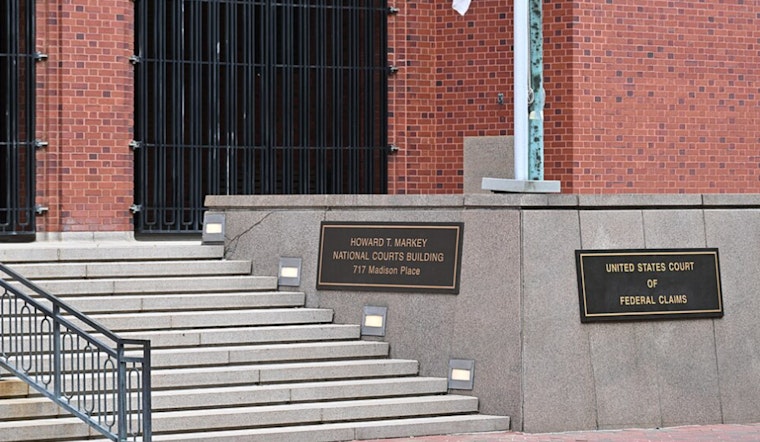
South Carolina’s members of Congress are watching a little-known lawsuit in Washington that could turn into a very big payday. If a federal court signs off on retroactive cost-of-living raises, some current and former lawmakers could collect as much as $419,000 each for past service covered by the case. The fight has dragged a rarely tested constitutional amendment into the spotlight and raised awkward questions about who ultimately foots the bill.
Case basics
The lawsuit, filed in March 2024 in the U.S. Court of Federal Claims, argues that Congress violated the 27th Amendment when it repeatedly voted to block automatic cost-of-living adjustments, or COLAs, to member pay. According to Justia, Senior Judge Eric G. Bruggink allowed the pay claims to move ahead while tossing related retirement and Thrift Savings Plan claims and holding that pay claims older than six years are time-barred. Under the court’s reading of the statute of limitations, any backpay would only cover amounts that accrued on or after March 7, 2018.
Who sued and why
The case has attracted a bipartisan cast of current and former lawmakers and is being led by former Virginia Attorney General Ken Cuccinelli. As reported by the NTU Foundation, plaintiffs now include Reps. Rick Crawford, Steny Hoyer and Jim Clyburn, along with former members such as Rodney Davis and Ed Perlmutter. They argue that years of blocked COLAs unlawfully suppressed their pay. Their attorneys say that catching up the missed adjustments inside the court-approved window would boost members’ salaries and entitle those affected to sizable backpay checks.
South Carolina numbers
For South Carolina’s delegation, the potential payouts are anything but uniform. A September set of calculations from attorneys, cited in local reporting, estimates that Rep. William Timmons could be in line for about $386,500, Rep. Nancy Mace roughly $296,000, Rep. Russell Fry around $192,400 and Rep. Sheri Biggs about $53,200. Those figures, along with the broader projection that members serving since 2018 could receive at least $419,000 apiece, appear in a roundup of the case by the South Carolina Daily Gazette. The outlet reports that the numbers come from plaintiffs’ attorneys and court filings and that the final totals will depend on how the judge decides to count the missed COLAs.
What is at stake for taxpayers
The National Taxpayers Union Foundation has tried to put a national price tag on all this. By the group’s math, the judge’s decision to limit claims to post-2018 service trims the potential cost of the lawsuit to about $69 million across the country, instead of a much higher figure if earlier years were included. According to the NTU Foundation, even that narrower window would still push up the federal payroll and could prompt follow-on requests to recalculate pensions and other retirement benefits. Critics warn that the visual of lawmakers collecting six-figure backpay after voting to freeze their own raises will be a political headache, regardless of how the legal argument fares.
How the legal limit narrows claims
Judge Bruggink anchored his ruling on the six-year statute of limitations that applies to money-damages claims against the federal government, concluding that any pay claims that accrued before March 7, 2018, are cut off. The court’s written opinion, available in the case docket, also rejected the plaintiffs’ separate retirement-benefit claims, leaving straight salary restitution as the main issue in dispute. That setup means the outcome will hinge on how the court calculates the withheld COLAs for the eligible years and which current and former members fall inside the statute-of-limitations window.
Where the case stands now
After motions and briefing, the case went to argument earlier this year, and reporting in the South Carolina Daily Gazette says Judge Bruggink is still weighing how to rule on the remaining questions. Around South Carolina, even the possibility of mid-five-figure to low-six-figure checks has stirred a mix of public outrage and private number-crunching in congressional offices. Any final decision could trigger new filings, appeals and fresh pressure on Congress to jump in and clarify the rules.
Legal implications and next steps
Whatever the outcome, the lawsuit shines a spotlight on a thorny constitutional puzzle involving the Twenty-Seventh Amendment and how it interacts with the automatic COLA law. If the plaintiffs win on their pay claims, members who served during the covered period could pursue backpay, and former members might seek pension recalculations, a scenario legal analysts say would expand the government’s long-term financial exposure. Observers are already bracing for appeals and possibly legislative action if the Court of Federal Claims issues a ruling that meaningfully alters how member pay is set or restored.



