

























































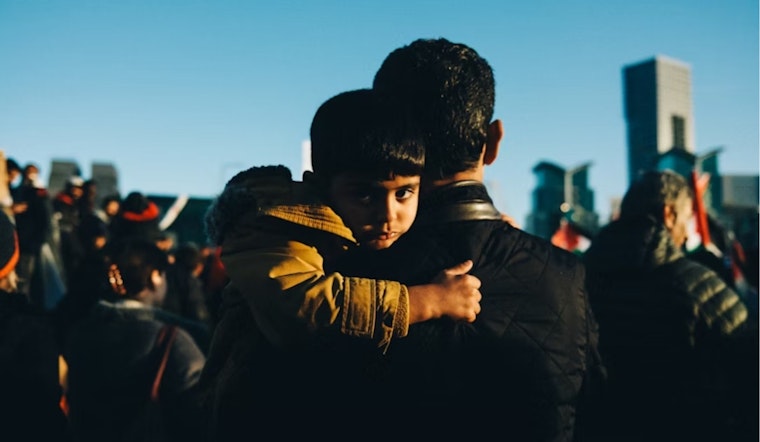
Across California, immigrant parents are quietly pulling their kids out of child care, early education programs and other public services, worried that signing up for help today could derail an immigration application tomorrow. The worry is tied to a newly posted federal proposal on how officials apply the “public charge” test, and providers say it is confusion, not the actual eligibility rules, that is pushing families away. Advocates say they are already seeing enrollment dip in programs that nurture young children and keep parents in the workforce.
What the federal proposal would do
The Department of Homeland Security rolled out a Notice of Proposed Rulemaking on Nov. 19, 2025, that would unwind large portions of the 2022 public charge regulatory framework, according to the Federal Register. Civil legal and immigrant rights groups say the proposed language is broad and could open the door for officers to weigh a wider range of means tested benefits, including Medicaid, SNAP and housing assistance, when deciding whether someone is inadmissible, per the National Immigration Law Center.
Providers say families are stepping back
On the ground, child care providers and early education advocates report that the rule talk alone is enough to scare families off. Parents are withdrawing or staying away from programs even when their children fully qualify for services. As reported by Times of San Diego, which first carried the story from EdSource, leaders such as Stacy Lee and Liza Davis say families are pulling children from care “out of an abundance of caution.” The Times piece also notes that home visiting programs served roughly 18,200 children from more than 17,000 families in 2025, work that advocates describe as crucial for keeping immigrant households connected to basic supports.
How many children could be affected
The numbers behind that fear are huge. The National Center for Children in Poverty estimates that about 1,073,993 children in California have at least one undocumented parent, and 253,719 of them are under age 5, according to NCCP. More than half of those children are U.S. citizens. Because so many of the kids at issue are citizens, advocates warn that the ripple effects of disenrollment could spread through schools, clinics and child care networks across the state.
Health and civic groups push back
Public health leaders say the proposal does not just threaten paperwork, it threatens community health. The American Public Health Association joined dozens of public health and policy experts in urging DHS to withdraw the NPRM, arguing it would create a chilling effect that keeps families from seeking care (APHA). The American Hospital Association, in its own comment letter, pressed DHS to limit how programs like Medicaid, CHIP and SNAP are factored into public charge decisions (AHA).
Where families can get help
In the meantime, state and local coalitions are trying to cut through the noise. They have built plain language guides and hotlines to help families understand the difference between immigration rules and benefit rules. The KeepYourBenefits California guide and county offices of immigrant affairs offer FAQs and referral lists for trusted legal help, according to KeepYourBenefits and the Los Angeles County Office of Immigrant Affairs. Officials urge families not to drop services based on rumors and to talk first with a licensed immigration attorney or accredited representative before changing any benefit enrollment.
What happens next
For now, the proposal is still just that: a proposal. The Federal Register notes that the public comment period closed on Dec. 19, 2025, and that DHS received 8,846 comments on the rule. The agency acknowledges that rescinding the 2022 framework could reduce transfer payments and squeeze family incomes but maintains that the benefits of the new rule justify the change. Advocates counter that, in California’s classrooms and clinics, the uncertainty itself, not just the fine print, is already the most urgent problem for providers and children.





