

























































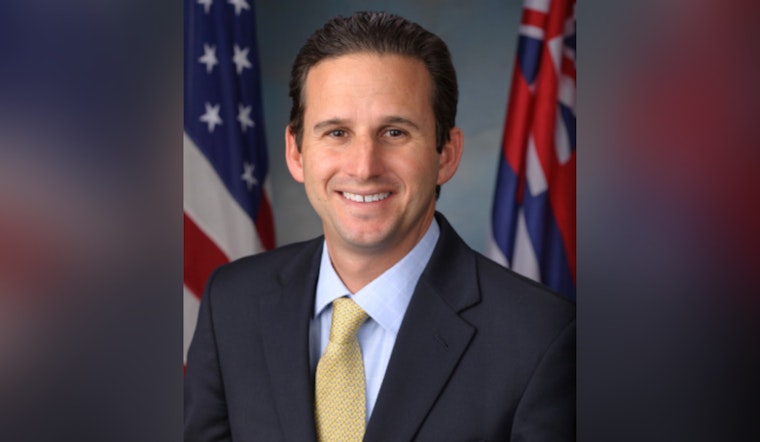
On March 26, 2026, U.S. Sen. Brian Schatz rolled out the Child Suicide Prevention Act, a proposal aimed squarely at the front lines of youth mental health care in Hawai‘i and across the country. The bill would fund clinician training, add suicide-prevention curricula to medical and nursing programs, and build a centralized hub of lethal-means safety resources for at-risk kids and their families. Sponsors say the focus is on practical gaps in everyday clinical care, like spotting warning signs, walking families through safe storage, and connecting young patients with crisis support when things are spiraling.
What the Bill Would Do
Under the measure, the Department of Health and Human Services would be authorized to award grants to states, hospitals, professional organizations and schools so they can put evidence-aligned suicide-prevention practices into routine health-care settings and integrate lethal-means safety into health-professional training. Grant recipients could dedicate up to 15 percent of their funds to provide secure gun-storage or safety devices at low or no cost, and grantees would have to submit annual reports through fiscal year 2030. These details are laid out in the bill text, according to Sen. Brian Schatz's office.
Who’s Behind the Push
Schatz is leading the effort in the Senate, with companion legislation in the House from Reps. Lauren Underwood and Kim Schrier. Sponsors say the roster of Senate cosponsors signals just how alarmed lawmakers are about the state of youth mental health. "Youth suicide is a crisis in Hawai‘i and across America, and we need to do everything we can to get young people help when they need it," Schatz said in a statement. As reported by Maui Now, the legislation lists senators including Richard Blumenthal, Tim Kaine, Cory Booker, Amy Klobuchar, Ron Wyden, Angela Alsobrooks and Tammy Duckworth as cosponsors.
The Data Behind the Push
Backers of the bill point to federal surveillance data that show a troubling rise in suicidal behavior among children and teens. CDC’s Youth Risk Behavior Survey found that about 10 percent of high-school students reported attempting suicide in 2021, and separate CDC data documented a sharp increase in emergency-department visits for suspected suicide attempts during the COVID-19 pandemic, with particularly steep jumps among adolescent girls. Those numbers are the backdrop for the bill’s emphasis on clinician training and lethal-means safety counseling. The agency’s findings are detailed in reports from the CDC and its Morbidity and Mortality Weekly Report.
What Happens Next
The proposal would authorize roughly $20 million for fiscal years 2027 through 2030, but the money will not move without committee approval and follow-up appropriations, according to the bill language. Major players in health care have already lined up behind the concept. The American Hospital Association told lawmakers it supports the Child Suicide Prevention and Lethal Means Safety Act and argued that training and resources for hospitals and clinics are essential, according to the AHA. Sponsors say that if Congress actually funds the program, hospitals and training programs could move relatively quickly to put evidence-aligned screening and lethal-means counseling into day-to-day practice.




