

























































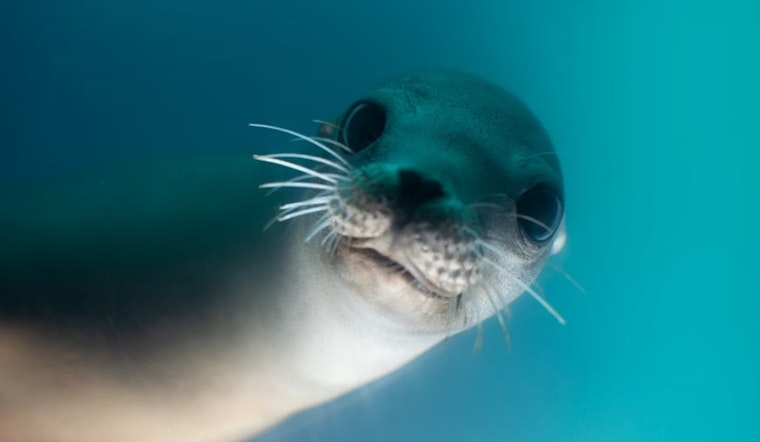
A California sea lion that turned up weak and underweight near Liberty Station is back in the ocean after weeks of rehab at SeaWorld San Diego, where veterinarians discovered a bullet lodged behind his eye during an X-ray exam.
The adult male was first spotted lethargic along the shoreline and brought into the park's rescue facility. According to ABC 10News, he weighed just under 300 pounds at intake and has since packed on roughly 50 percent more body weight. Staff treated him for parasites, provided fluids and ran radiographs that revealed the projectile tucked behind his eye.
SeaWorld staff said the bullet was not the reason he was rescued in the first place. The sea lion spent several weeks under care, steadily regained strength and eventually hit the park's benchmarks for release after he started eating whole fish on his own. Once veterinarians cleared him, crews transported him to a coastal release site and sent him back into the wild.
SeaWorld rescue work and earlier bullet case
SeaWorld San Diego's rescue program has handled thousands of stranded and injured marine mammals over the decades, and team members say hidden wounds are part of the job. On its SeaWorld San Diego rescue site, the park points to a 2012 case in which a different sea lion needed surgery to remove a bullet, a reminder that projectiles sometimes only show up during medical workups or later during necropsy.
In the latest case, park veterinarians said extended rehabilitation and monitoring gave them confidence that this sea lion was healthy enough to rejoin the ocean.
What federal stranding records reveal
Federal stranding data compiled by NOAA Fisheries list shootings among documented human-related injuries to pinnipeds along the U.S. West Coast. The agency's technical memorandum notes that stranding networks and necropsies sometimes uncover gunshot trauma that is not obvious at first glance, adding a sobering backdrop to rescues like this one and to the broader issue of human-caused harm to marine life.
What to do if you see a distressed marine mammal
SeaWorld asks anyone who spots an injured or stranded marine mammal to call its rescue hotline at 1-800-541-SEAL (7325) or email [email protected], and to keep a safe distance until trained responders arrive. The park's SeaWorld San Diego reporting page and local stranding networks outline what to note for responders, including the exact location, time and any visible injuries.
Members of the public are urged not to move or feed wild marine mammals. Leaving the animals alone, officials say, cuts stress for the animal and helps rescue teams work safely and quickly once they get on scene.





