

























































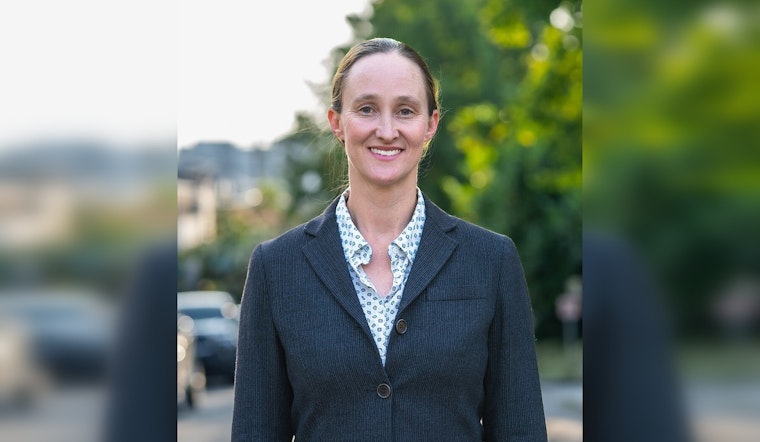
Seattle Mayor Katie Wilson is tapping the brakes on City Hall’s big artificial intelligence experiment, pausing a citywide rollout of Microsoft’s Copilot chatbot to municipal employees that was championed by the previous administration. For now, the small pilot group of about 500 staffers will keep using the tool while Wilson’s team reexamines privacy, security and policy questions that come with putting generative AI inside government.
The move effectively stalls a key piece of former Mayor Bruce Harrell’s ambitious AI agenda. Harrell had promised a broad Copilot launch across city departments, and that deployment was slated for late February. A city survey of 185 pilot users found Copilot delivered “significant business value,” with staff reporting an average time savings of two and a half hours per week on chores like drafting documents and summarizing meetings. Megan Erb, a spokesperson for the city’s IT department, said the Wilson administration paused Copilot to make sure Seattle’s AI direction matches its priorities and passes necessary privacy and security tests, according to OPB.
Seattle already has rules on the books for this kind of thing. The city adopted a formal AI policy in 2023 that requires attribution for AI-generated text and bans certain uses, including facial recognition and AI-driven hiring decisions, according to The Urbanist. In December, the city hired Lisa Qian as its first artificial intelligence officer to coordinate AI pilots and training across departments, as reported by KNKX. Those existing guardrails now sit at the center of the Wilson administration’s review.
Where chatbots have already been tried
Copilot is not Seattle’s first AI experiment. The city has tested several projects across departments, including a multilingual, voice-based agent called SEAMore Voice that was built with Gooey.AI to help triage resident calls and route questions to the right place. The company’s case study describes SEAMore as a kind of smart switchboard for callers, and city IT staff say the ESRI Support Chatbot remains the only chatbot to fully clear Seattle’s privacy and security review so far, according to Gooey.ai.
Leadership changes and the pause
The timing of the Copilot freeze is not an accident. The pause follows the February resignation of the city’s IT director, Rob Lloyd, which left the department under interim leadership during the broader transition to a new administration. PubliCola reported on Lloyd’s departure and detailed several AI initiatives he helped move forward, including internal systems such as NebulaONE and efforts aimed at speeding up permitting. Those shakeups are a big part of why Wilson’s team is opting for a more measured approach rather than charging ahead with an immediate citywide rollout, officials and observers say, according to PubliCola.
What the pause means for workers and residents
City workers and residents are not necessarily anti-chatbot, but they are asking for tighter rules before AI becomes just another office tool. Advocates and union representatives say pilots that shave time off routine tasks can be genuinely useful, yet they are pushing for clearer definitions of what counts as “substantive” AI use, stronger protections around employee and resident data, and firm assurances that automated systems will not magnify existing biases. Local coverage has highlighted these trade-offs and flagged community worries about accountability and transparency in City Hall’s AI pilots, as outlined by KNKX. For now, departments and labor groups are signaling they would rather see strong guardrails than a fast rollout.
Wilson’s administration says it plans to take the time needed to line up any future AI deployments with the city’s existing Responsible AI commitments as well as staff and community priorities. The Copilot pause does not rule out broader use later, but it does place Seattle squarely in a growing national conversation about how local governments deploy new AI tools while still protecting the people who work for and rely on them.





.jpg)