

























































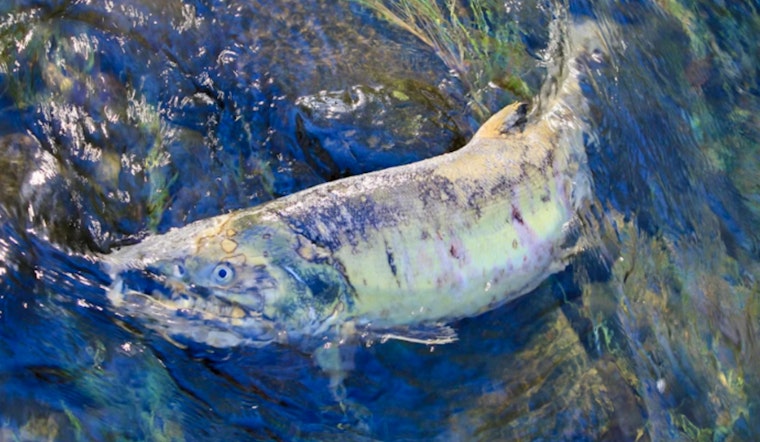
Seattle ratepayers are staring down nearly a $1 billion tab to help salmon get around the city’s three Skagit River dams, according to recent disclosures that are now rippling through City Hall and tribal communities alike. The price estimates surfaced after an investigation found that the utility’s internal filings and bond documents did not match the rosier public story residents had been hearing for years.
Investigators say the city downplayed the problem
Investigators at KING 5 report that municipal filings and internal communications show officials privately weighing multi hundred million dollar and nearly $1 billion engineering scenarios to move fish past or around the Gorge, Diablo and Ross dams, even as the city was publicly suggesting the structures were not harming salmon. According to KING 5, bond amendments and other disclosure documents do not line up with those public statements, and that tension has drawn renewed fire from tribal leaders and local elected officials.
How big is the bill?
Seattle City Light’s own audited disclosures show decades of mitigation work, but much smaller relicensing line items on the books. In its 2023 financial statements, the utility put total Skagit license mitigation costs at about $178.5 million as of Dec. 31, 2023. The difference between that figure and the engineering scenarios now in play helps explain why outside engineers and investigators say full fish passage options, including new ladders, bypass channels, screens and other major civil construction, could drive the overall program into the high hundreds of millions. The contrast between the earlier mitigation estimates and the newly reported price tags sits at the heart of the looming fight over who pays and on what timeline.
Tribes, science and the relicensing fight
Federal reviewers and tribal biologists have long argued that the watershed above Gorge Dam is too valuable to ignore. The National Marine Fisheries Service told relicensing reviewers that roughly 37% of the Skagit basin lies above Gorge Dam and “likely provides suitable habitat,” a conclusion that High Country News reports. Tribes including the Sauk-Suiattle and Upper Skagit pursued litigation and administrative challenges during relicensing, arguing that the utility’s public narrative did not match the historical, archaeological and ecological record. Those challenges helped drive the feasibility studies and public records that investigators later cited.
What City Light says
Seattle City Light emphasizes that the relicensing process and multi party technical studies are designed to determine what mitigation is required and how best to protect listed species, and the utility points to habitat restoration projects it already funds in the basin. On its Skagit relicensing pages, the utility outlines a long sequence of studies, agency review and negotiated mitigation that officials say will guide any decision about constructing passage infrastructure or pursuing alternative remedies. City materials present those commitments as part of a decades long mitigation and monitoring program tied to federal licensing obligations.
What comes next
The new disclosures put the politics of who pays front and center. The price estimates investigators uncovered are turning up the heat on city leaders, state legislators and federal agencies to find money and engineering plans that can balance treaty rights, endangered species requirements and customer bills. As KING 5 notes, the decisions made in the coming years will determine whether and how upstream habitat is reconnected and who ultimately covers the nearly billion dollar cost.



