

























































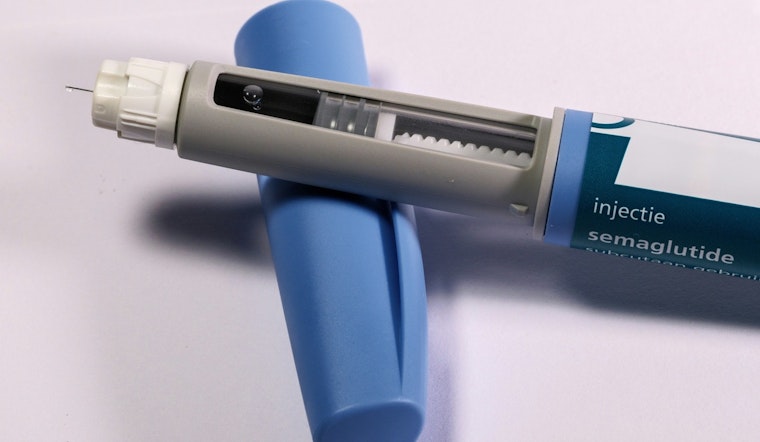
The Tennessee Poison Center is getting hammered with calls about mishaps involving injectable weight-loss drugs, with staff seeing a sharp spike in problems tied to semaglutide and tirzepatide. Clinicians say the surge includes everything from simple user errors to people knowingly pushing the dose in hopes of speeding results. Nurses and toxicologists warn that these mistakes can trigger intense gastrointestinal symptoms and sometimes land patients in the emergency room.
Call data from the center shows cases jumping from 28 in 2021 to 239 in 2025, according to WSMV. “Somebody could be at home, and they don't know how to use the pen correctly, and they give themselves a tenfold overdose,” medical director Rebecca Bruccoleri told the station. She noted that the center only logs incidents when someone actually calls the hotline, so the totals reflect self-reported problems rather than a full count of every dose gone wrong.
National emergency visits highlight risks
Concerns in Tennessee line up with national numbers. A recent analysis estimated roughly 24,499 emergency-department visits tied to semaglutide in 2022 to 2023, with most cases driven by nausea, vomiting, and diarrhea, according to a study in the Annals of Internal Medicine. Serious complications appear to remain relatively uncommon compared with how widely the drugs are being used, but researchers say the volume of side effects helps explain why poison centers and ERs are getting busier.
What’s driving the calls
Experts point to a perfect storm of wider access, booming telehealth prescribing, and a wave of compounded or off-label formulations that require patients to draw up and measure doses on their own. The FDA has issued warnings about dosing errors and adverse events involving compounded semaglutide and tirzepatide and urges clinicians and patients to stick with FDA-approved products whenever possible, according to the agency. Local providers told the station that med-spa clients and people self-drawing from vials are especially likely to miscalculate their dose, the report found, as noted by WSMV.
Regulatory red flags
Officials are also turning their attention to the supply chain behind these drugs. Tennessee Attorney General Jonathan Skrmetti led a multi-state request pushing the FDA to crack down on counterfeit or contaminated sellers of GLP-1 drugs, according to the AG’s office, and reporting in Science News has documented a growing online market for unregulated versions. High demand, steep prices, and shady vendors are proving to be an uneasy mix for regulators and patients alike.
If you suspect an exposure, call the Poison Help hotline at 1-800-222-1222. The Tennessee Poison Center serves all 95 counties and provides round-the-clock guidance from nurses, pharmacists, and physicians, according to Vanderbilt University Medical Center. If someone is unresponsive, not breathing, or seizing, call 911 immediately and tell dispatch that a poisoning is suspected.





