

























































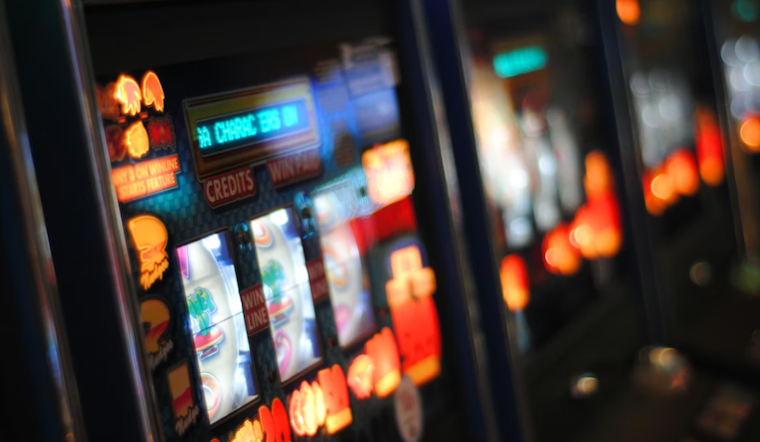
Lawmakers in Annapolis spent Tuesday sparring over a high-stakes question: should Maryland let off-track betting parlors roll out slot-style machines, potentially shifting thousands of gaming terminals away from the state’s commercial casinos and into neighborhood venues? Supporters frame it as a lifeline for struggling off-track betting shops. Critics warn it would siphon money from existing casinos and drag the state into a bruising voter fight over gambling expansion. At issue are three basics: how many machines to allow, where they can go, and whether Marylanders should have the final say at the ballot box.
Members of the Senate Budget and Taxation Committee and the House Ways and Means Committee met jointly to dig into an amendment that would let casinos license unused slot positions to off-track betting sites, according to The Baltimore Sun. The plan is bundled into a broader proposal that would authorize wagering on so-called historical horse races.
What the bill would change
The House bill, HB 1240, and its Senate companion, SB 639, would add “historical horse races” to the legal definition of a sporting event and allow approved terminals at certain licensed facilities. The machines function like slot games but are structured as pari-mutuel wagering. Under the bill text, the commission that oversees sports betting may not sign off on more than 4,000 of these terminals statewide, and any expansion of commercial gaming allowed by the measure would still have to be put to voters. The Maryland General Assembly outlines the fine print on how the terminals would operate and be taxed.
Who would be eligible
Backers stress that the machines would not be a free-for-all, but limited to existing, licensed sports betting facilities that meet strict distance and licensing rules. As reported by The Baltimore Sun, eligible off-track betting venues would have to hold sports betting licenses and sit a significant distance from the nearest Maryland casino, a buffer supporters say is meant to protect casino turf.
Industry reports point to three interested players in particular: Long Shot’s in Frederick, River Boat on the Potomac, and G. Boone’s in Boonsboro, all of which have identified themselves as potential hosts for licensed terminals. Coverage from CDC Gaming and others notes that off-track betting owners have testified that historical horse racing terminals helped rescue similar retail operators in other states.
Casino concerns and the money at stake
State lottery worksheets show Maryland’s six commercial casinos operate roughly 9,600 to 10,000 video lottery terminals in total, so any shift in machines or play patterns could ripple through state revenues. Casino operators are not thrilled about sharing the action. Industry representatives warn that lower tax rates or a migration of players to new locations could dent state receipts.
MGM National Harbor lobbyist Marta Harding told lawmakers that the gambling public appears to be moving away from slot machines, and said her client views authorizing terminals at off-track betting sites as an expansion of casino locations in everything but name. Opponents argue that the change could cost the state and current casino operators millions of dollars in revenue.
Who’s sponsoring it and what comes next
The Senate sponsor of the measure is Sen. Paul D. Corderman, with HB 1240 cross-filed in the House. According to LegiScan and the bill record, the proposal has already had hearings in both the Budget and Taxation Committee and the Ways and Means Committee this session.
If the General Assembly signs off, the bill’s own language makes its rollout contingent on voter approval, which means the question would likely land on the November 2026 ballot. In practical terms, lawmakers are betting on whether small, in-person off-track betting shops can keep their doors open, and whether Marylanders are comfortable seeing a new crop of slot-style machines light up in local parlors. Over the coming weeks, legislators will sift through fiscal notes, testimony from small business owners and casino operators, and the political risks of sending another gambling question to voters this fall.





