

























































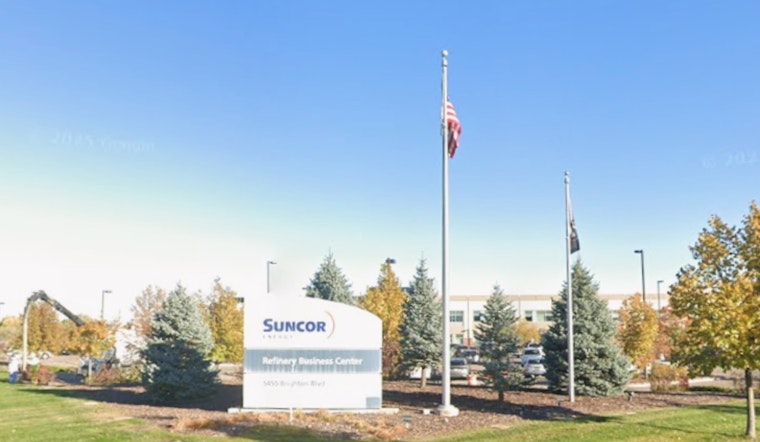
A long-running fight over pollution from Suncor’s Commerce City refinery landed before a 10th U.S. Circuit Court of Appeals panel on Wednesday, as environmental groups tried to breathe new life into a 2024 citizen suit accusing the facility of chronic air violations. Neighbors say the refinery’s emissions have left parts of North Denver glued to air-quality alerts and living with persistent odors, and now that dispute is squarely in the hands of federal judges.
According to CBS Colorado, attorneys for GreenLatinos, 350 Colorado and the Sierra Club argued that the Clean Air Act gives residents the right to push for enforcement when regulators do not go far enough. The groups are represented by Earthjustice, which filed the original complaint and says its exhibits document repeated permit exceedances that should be tested at trial.
State and federal regulators have not been on the sidelines. Agencies have already taken enforcement actions in recent years, including a settlement carrying roughly $10.5 million in penalties, according to reporting by AP News. The Colorado Department of Public Health and Environment says it and the U.S. Environmental Protection Agency have issued notices and compliance documents tied to benzene, sulfur dioxide and other pollutants at the refinery.
Earthjustice attorney Ian Coghill told the court that Suncor "has been violating its air limits for decades" and that communities "needed to step in" when earlier enforcement did not solve the problem, statements recorded by CBS Colorado. Suncor’s private attorney countered that judges should defer to the state’s enforcement choices, arguing that consent decrees and regulatory actions already on the books show Colorado has been addressing the refinery’s issues.
What the appeals court must decide
The 10th Circuit now has a relatively stark choice: decide whether the district court made a legal mistake when it dismissed the 2024 citizen suit, or leave that dismissal in place. Case filings and scheduling are listed on Justia.
If the panel reverses, the case could return to the trial court and give plaintiffs the day in court they have been asking for. If the judges affirm, the citizen-suit route in this dispute may be closed, a result Earthjustice warns would leave nearby residents without the remedy they sought under the Clean Air Act.
How neighbors say they’ve been affected
The complaint, along with local reporting, describes thousands of alleged permit exceedances and lists hazardous pollutants, including benzene and sulfur dioxide, that residents say have aggravated asthma and other health problems, according to Colorado Public Radio. Advocates say the multi-million dollar penalty has not ended the days when air warnings keep children indoors, and community groups continue to push for stronger fenceline monitoring and tougher enforcement, as reported by local outlets.
What happens next will turn on the 10th Circuit’s decision. The court can either send the case back for a full trial or leave the lower court’s dismissal in place, with the appeals docket spelling out the next procedural steps and any timetable for a written opinion.




