

























































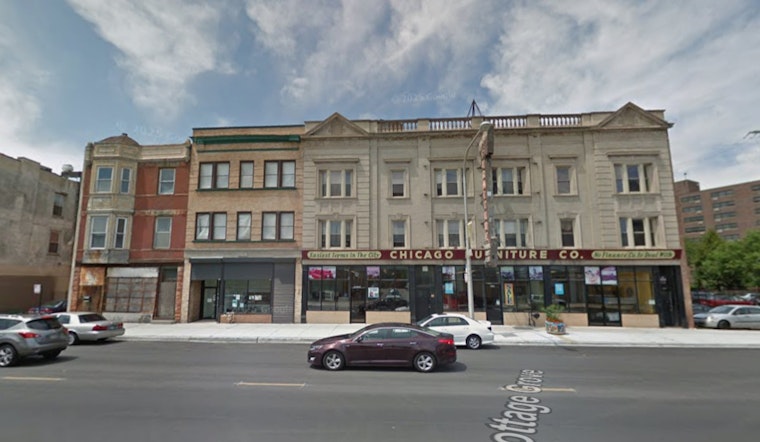
Neighborhood-led real estate projects on Chicago’s South and West sides are getting a serious cash boost. In its first round of awards, the Neighborhood Capital Fund is sending nearly $7.86 million to clinics, cultural spaces and small business hubs that are already close to the finish line and just need help closing their financing gaps.
The checks range from six figures to well over a million. In Bronzeville, the Silver Fox Café project at 4242 S. Cottage Grove secured about $820,000 to build out a mixed-use site. In Pullman, Imani Village Empowerment Zone landed a $1.5 million grant. Fund leaders say the goal is simple: push late-stage projects over the top so they can get shovels in the ground quickly.
Who got the grants
The inaugural round, totaling roughly $7,860,000, is spread across a slate of neighborhood projects: Imani Village in Pullman ($1.5 million), the Inner-City Muslim Action Network health center in Chicago Lawn ($1.5 million), the Blue Azul Center in Auburn Gresham ($1 million), the Yollocalli Fire Station in Little Village ($800,000), Urban Market Exchange in Woodlawn ($700,000), the Maafa Center for Arts & Activism in West Garfield ($750,000), the Chicago South Side Birth Center ($500,000) and The Firehouse in Back of the Yards ($290,000).
The Silver Fox Café’s $820,000 award was singled out as a standout mixed-use concept, set to run as a daytime restaurant and nighttime live blues venue, with seniors programming in the rear of the building. These allocations were reported by the Chicago Tribune.
Fund origins and goals
The Neighborhood Capital Fund is led by The Chicago Community Trust. Launched in 2025, the fund has raised roughly $20 million to support late-stage, community-led real estate projects on the South and West sides. The Trust pitches these grants as “last-mile” money, aimed at projects that already have most of their financing lined up and are expected to break ground within a year.
The model is informed by the Trust’s evaluation of the We Rise Together initiative, which found that neighborhoods with multiple completed projects saw much higher economic activity than similar areas without them. That finding became a central argument for pooling dollars into this new fund.
Who’s backing the pool
A roster of major philanthropic players helped seed the Neighborhood Capital Fund. Lead donors include the Chicago Community Trust, Schreiber Philanthropy, the Robert R. McCormick Foundation, the Target Foundation, the Joseph Pedott Legacy Fund, JPMorgan Chase, the Chicago DNC 2024 fund and Knight Impact Partners.
That donor lineup, along with the list of first-round awardees, was detailed in coverage by the Chicago Tribune. Organizers say more dollars are expected to cycle through the fund over the next two years, with another open call for applications anticipated in late summer or fall 2026.
Why this matters locally
Backers argue that late-stage grants can have an outsized impact because they remove final financial obstacles and speed up construction, hiring and service delivery in neighborhoods that have long struggled to draw private investment. According to the Trust’s We Rise Together analysis, communities with two or more completed projects experienced roughly four times the economic activity of similar areas without that level of investment.
Funders say that track record suggests a handful of well-chosen projects can build real momentum along commercial corridors, instead of leaving one-off investments to stand alone.
Local partners and next steps
Local groups are already lining up this money with other public and private funds. The Kenwood-Oakland Community Organization has spent years planning a renovation at 4242 S. Cottage Grove that will house KOCO’s offices along with the Silver Fox Café, and the project previously secured tax increment financing support from the city, according to Urbanize Chicago.
Fund administrators say grantees must prove they are capital ready and have demonstrated community backing before money goes out the door. They plan to keep tabs on each project as recipients finalize construction timelines and move from planning to building.





