

























































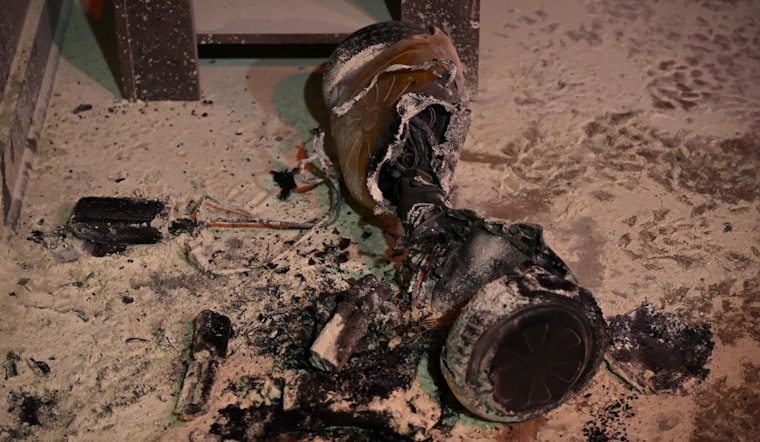
A quiet day at a South Knoxville apartment building turned tense on Wednesday when a hoverboard caught fire inside one of the units, drawing a fast response from the Knoxville Fire Department. Crews moved in quickly and knocked down the flames, and the department used the scare as another reminder that lithium‑ion batteries can be a serious fire risk if they malfunction or are charged the wrong way.
According to WBIR, firefighters contained the small blaze to the South Knoxville apartment, and investigators traced the ignition point back to a hoverboard. The station reports that Knoxville Fire Department officials used the incident to warn residents about the risks that come with lithium‑ion batteries and to urge people to be more deliberate about how and where they charge and store those devices.
Why hoverboards can ignite
Federal safety regulators say many early hoverboards were built with non‑certified lithium‑ion battery packs that can overheat and short‑circuit, which has sparked fires and led to dozens of recalls between 2015 and 2017. The Consumer Product Safety Commission has documented multiple recall actions and advises buyers to look for UL‑2272 certification and to follow the manufacturer’s charging instructions, according to the CPSC.
How to reduce the risk at home
Fire‑safety organizations recommend sticking with products that carry a recognized safety mark, charging devices on hard, non‑combustible surfaces, avoiding overnight charging sessions, and keeping spare batteries away from anything that can burn. The National Fire Protection Association has made lithium‑ion battery safety a key part of its recent public education efforts and offers detailed advice on safe charging and disposal practices, per the NFPA.
If a battery starts to smoke or throw sparks, officials say you should unplug the charger only if you can do that safely, move the device outside to a clear spot away from buildings if possible, and call 911 so trained crews can deal with potential thermal‑runaway fires. The U.S. Fire Administration provides step‑by‑step guidance for handling battery fire hazards and warns that lithium‑ion batteries can reignite if they are not fully cooled and suppressed, according to the US Fire Administration.
The Knoxville Fire Department is urging residents who have questions about battery safety or apartment fire prevention to review KFD’s public education materials or reach out through the city’s non‑emergency contacts. Department information and press releases are available on the City of Knoxville website. Officials did not immediately report injuries in this incident.




