

























































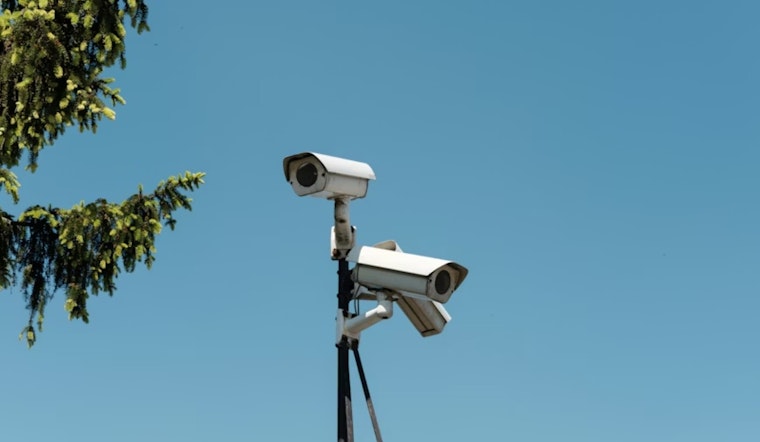
Cleveland drivers who treat school zones like racetracks may soon get a rude awakening in the mail. City Council is increasingly open to reviving automatic traffic cameras as a tightly focused tool to rein in reckless driving, particularly near schools and along the city’s most crash-prone corridors. The shift comes after years of declining traffic tickets and growing complaints from residents who say motorists are getting bolder on neighborhood streets.
During recent budget hearings, police leaders and council members said a shrinking force and strict rules on vehicle pursuits have cut down on on-street enforcement. Cleveland Police Chief Dorothy Todd warned that the restrictions have helped create a "culture" of ignoring traffic laws, with many drivers acting as if the rules no longer apply. Officials added that rising overtime costs and persistent patrol vacancies mean plenty of dangerous drivers are slipping by without consequences, according to Officer.
Council Rethinks The 2014 Ban
Several council members acknowledged that Cleveland voters changed the city charter in 2014 specifically to block automatic cameras, but they argue the landscape has changed and that carefully limited pilots might now be worth testing. City records show enforcement has dropped sharply over the past decade: speeding citations fell from 8,893 in 2015 to 2,827 in 2025; red-light violations slid from 2,171 to 1,005; and stop-sign tickets declined from 4,282 to 1,297, according to Cleveland.com.
Money, The Law And School-Zone Loopholes
Under state law, cities that use traffic cameras must report the fines they collect, and the state can cut Local Government Fund payments by the same amount. That clawback is designed to wipe out any direct profit from automated enforcement. Cameras installed inside school zones are treated differently, however, and are exempt from that state funding penalty. State records show that suburbs have leaned into that carve-out: Parma reported roughly $1.54 million from six school-zone cameras, while Parma Heights collected about $841,000 from five cameras, a setup that complicates Cleveland’s own budget math, according to GovTech and state law.
How The Debate Could Play Out
Council members say any revival would be far from a citywide surveillance sweep. They talk instead about a small rollout that could start with fixed poles in school zones or cameras mounted on Cleveland Metropolitan School District buses. Officials are also floating guardrails such as public input, strict limits on how images can be used and clear performance benchmarks to show whether the cameras are actually improving safety. With the 2014 charter amendment still standing in the way, supporters say they are likely to push for narrow, data-driven pilots first, then consider whether it is worth asking voters to revisit the ban, as reported by Cleveland.com.





