

























































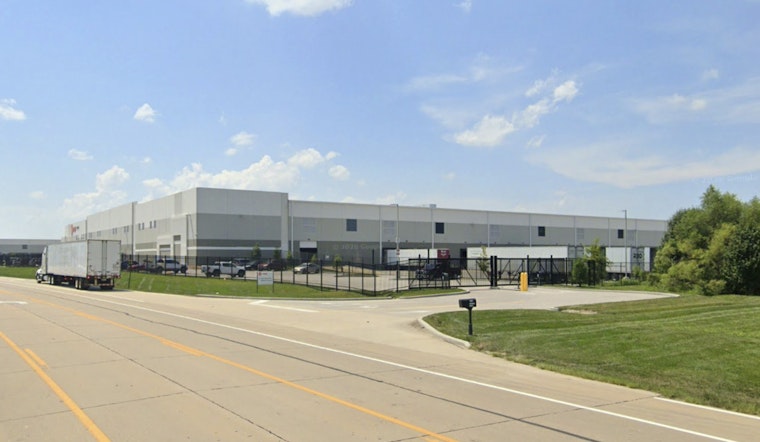
St. Louis’s commercial real estate market closed out 2025 on a noticeably brighter note, as a late‑year flurry of deals pulled long‑stalled transactions off the sidelines and nudged annual sales above recent averages. Most of the action clustered around industrial warehouses, necessity retail centers and a small group of higher‑quality office properties, giving local investors something they have not had in a while: a bit more confidence heading into 2026. Brokers and developers say steadier signals from lenders and less day‑to‑day rate volatility helped free up capital that had largely stayed parked since 2023.
According to CoStar, transactions picked up in 2025 as easing rate volatility, improved liquidity and more predictable lending conditions coaxed that sidelined money back into the market. The report points to several sizable trades, including the sale of 7001 Premier Parkway in St. Charles County to SparrowHawk in late 2025, as emblematic of renewed investor interest. CoStar notes that strength in those sectors pushed overall market totals well above recent norms.
Industrial and Retail Led the Comeback
Local research shows industrial was the clearest standout. As outlined by Colliers, vacancy tightened and leasing ended the year on a stronger footing in many logistics submarkets. Crexi put industrial vacancy near 2.6% with roughly 2.1 million square feet of positive absorption, underscoring how limited space has become. Retail also firmed up, with Crexi reporting retail vacancy around historic lows as necessity‑based centers continued to draw buyers. Those industrial and retail gains carried much of the load in a market where office sales remained selective and firmly focused on quality.
Multifamily and Capital Flows
Multifamily trading helped round out the recovery. Yardi Matrix’s October 2025 note showed investors had traded about $401 million in St. Louis multifamily assets year‑to‑date, while the metro’s average price per unit rose roughly 41.5% as buyers chased stabilized product. On the national stage, Altus Group’s quarterly investment and transactions research documented a 2025 rebound in sales volume, led by industrial and multifamily, which helped normalize pricing and underwriting in secondary markets. Those broader trends, paired with St. Louis’s local fundamentals, made lenders more willing to underwrite deals for modern, well‑located assets.
For buyers and local owners, the outlook is cautiously optimistic. Underwriting is still selective and office buyers remain choosy, yet the return of capital to industrial, retail and stabilized multifamily suggests 2026 could bring a steadier pace of deal‑making in St. Louis. Market participants say the key storyline to watch next is whether lending conditions continue to firm, allowing pricing to follow this renewed demand in a sustainable way.





