

























































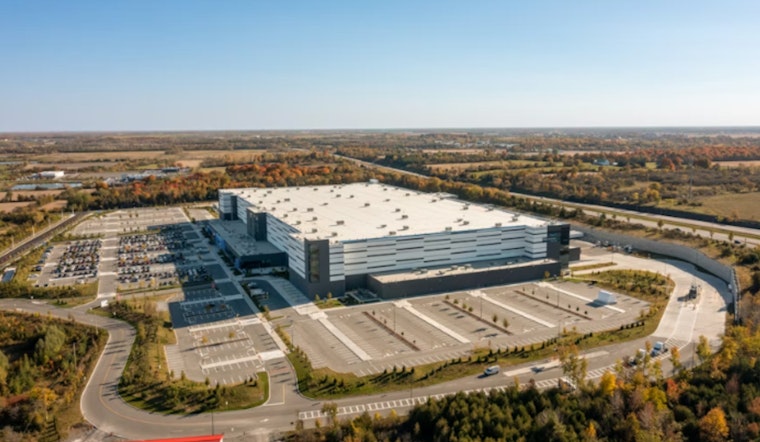
A California developer is floating a big idea for Hawaii’s cramped industrial sector, and it is not about gobbling up more land. The pitch: multilevel, stacked warehouses that push storage and logistics straight up into the air instead of sprawling across already scarce flat ground. Early renderings show a Maui distribution hub with ramps, cargo elevators and upper-level pick floors, all geared toward packing more freight into a smaller footprint.
What developers are proposing
As reported by Pacific Business News, the California firm has been sharing the stacked-warehouse concept with landowners and local officials as a possible way to overhaul aging, undersized industrial parks across the islands. The outlet notes that the company is working on multiple projects and circulated the Maui rendering to show how a multistory layout could work in practice. Supporters argue the game plan is simple: protect limited buildable land and still boost freight capacity near customers.
How multilevel warehouses work
Industry designers describe multilevel warehouses as vertical logistics machines that stack different operations on separate floors. According to GlobeSt, typical layouts put heavy receiving and full-size loading docks on the ground level, with outbound vans, mezzanine pick zones and upper-level storage stacked above. Ramps or cargo elevators shuttle goods between floors. The same format can weave in cold storage or light manufacturing while keeping last‑mile distribution close to urban centers. Architects also point out that these buildings demand serious infrastructure, including robust power, automation systems and seismic-resilient engineering.
Local reaction and constraints
Backers say this vertical approach could help Hawaii add badly needed, modern industrial square footage without chewing up more land. At the same time, Pacific Business News notes that planners and neighbors are expected to pore over the details, from truck traffic and noise to broader neighborhood impacts. Building upward changes the regulatory playbook too, since counties typically require environmental reviews, public hearings and sometimes zoning adjustments before greenlighting large industrial projects. All of those entitlement steps can stretch a promising concept into a yearlong, or even longer, approval slog depending on a site’s location.
Who’s behind the designs
The renderings tied to the pitch are credited to Lowney Architecture, a firm with a Honolulu presence that has written extensively about multilevel industrial design and urban logistics. On its project pages, Lowney Architecture walks through the kind of layout and truck-circulation tradeoffs that shape multistory industrial work, which sheds light on why developers tapped outside architects for both concept art and technical input. Having a design team that already operates locally could also help smooth early talks with contractors and permitting staff if any proposals advance.
Next steps
For now, the multilevel warehouses live only on paper and in renderings. Turning any of them into a real project would require formal filings, reviews and public meetings with county planning bodies. Maui County’s planning resources spell out the typical path for major redevelopment, including discretionary permits, environmental assessments and public hearings, plus project master plans and shoreline-related SMA reviews where they apply. Details are available through the Maui County Planning Department. If a developer does decide to file plans on any island, expect formal permit applications and a round of community outreach to be the first visible signs that a stacked warehouse is actually on the way.





