

























































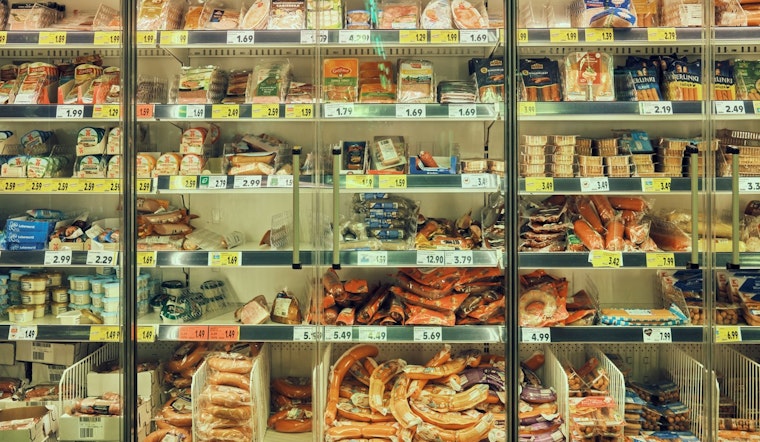
Chicago grocery runs could get pricier this year as farmers and truckers grapple with a fresh wave of rising costs. Fertilizer, especially nitrogen products used on corn and soybeans, and diesel fuel have both jumped in price, squeezing farm budgets and driving up transportation expenses. University of Illinois agricultural economist Nick Paulson told local TV that these higher input costs tend to ripple through the supply chain, eventually landing in the form of higher prices on supermarket shelves once planting and shipping get more expensive.
As reported by FOX 32 Chicago, Paulson said global conflicts and energy shocks are putting serious pressure on Midwest growers and could nudge up prices on staples like corn and seasonal favorites like pumpkins. The segment noted that fertilizer is energy intensive to manufacture and diesel is what keeps harvesters, processing plants and long-haul trucks moving. Those costs are pinching especially hard this year because many farmers must pay for fuel and inputs months before they see any money from their crops.
Global shocks are pushing input costs up
Analysts say fertilizer markets spiked after fighting in the Middle East disrupted shipments through the Strait of Hormuz and pushed natural gas and shipping costs higher, according to S&P Global. That has helped drive up prices for urea and other nitrogen fertilizers in recent days as sellers and insurers reroute cargoes and tack on higher risk premiums.
Diesel and transport are adding to the squeeze
According to the U.S. Energy Information Administration, the national average for on-highway diesel rose to about $4.86 per gallon for the week ending March 9, 2026. Because trucks and many processing facilities run on diesel, those higher pump prices quickly show up as increased costs for moving, packing and storing the food that ends up in Chicago grocery aisles.
What it means for farmers and commodity markets
Market and trade reports show fertilizer retailers already adjusting to the turmoil. Some offers have been pulled and some buyers are waiting on the sidelines, DTN reported. If fertilizer prices stay elevated through the spring planting window, economists warn farmers may respond by cutting application rates or tweaking what they plant. That could tighten supplies of corn, soybeans and certain vegetables later in the year.
Why Illinois matters to your cart
Illinois plays an outsized role in what ends up in both local and national shopping carts. The state is a major producer of corn, soybeans and pumpkins, key crops that feed livestock and supply consumer markets across the country. State production figures and local reporting underline Illinois’s importance in the farm economy, including its top-tier pumpkin output, according to FarmFlavor. When input costs jump here, grocers and economists take notice because the impact can spread far beyond the state line.
When the pain could show up at checkout
Higher fuel and fertilizer costs do not always hit store shelves immediately, but when those pressures stick around through planting and harvest, grocery prices have historically followed within a few months, the Associated Press notes. Fresh fruits and vegetables and other perishable foods that move quickly through the supply chain are usually the first to reflect higher costs, while packaged items with longer shelf lives may take longer to catch up.
Economists say there is no need for shoppers to panic yet. Markets remain volatile, and policy shifts, smoother shipping routes or lower crude prices could still ease input costs before they fully work their way into receipts. Even so, the spring planting season is shaping up as a crucial watch point. If fertilizer and diesel stay expensive, that added strain on farms and trucking companies is likely to show up later this year in the one place Chicagoans cannot really avoid: the grocery checkout line.



