

























































If it feels like every search out of Minneapolis is turning up eye-watering prices, it is not your imagination. Minneapolis travelers are getting hit with a sudden jump in airfares this spring, with some routine trips now flirting with four-figure totals.
One Twin Cities Business reporter recently shelled out nearly $1,000 for winter round-trips to Phoenix and Fort Myers, routes that used to come in closer to $300 to $500. Now, for April bookings, those same kinds of trips are frequently landing north of $500, and the squeeze is showing up in both vacation travel and short business hops.
As Twin Cities Business reported, Adam Platt priced nonstop Friday to Tuesday April roundtrips with more than two weeks of advance purchase and found most fares clearing the $500 line. Platt and industry watchers point to stricter fare rules and the return of extra charges for seats and bags as big pieces of the puzzle.
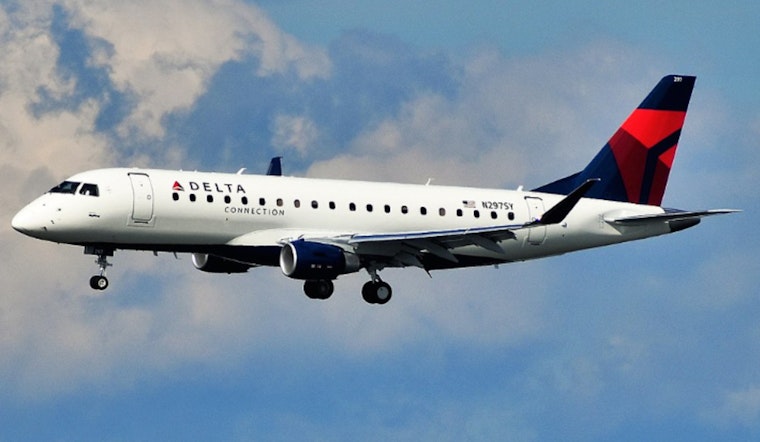
Numbers from the airport authority help explain why local prices can run hot. According to the Metropolitan Airports Commission, Delta handled about 71.55% of MSP passengers in 2025, while Sun Country accounted for roughly 11.04%. When one carrier dominates to that degree, there is not much room left for large low-cost rivals to keep everyone’s fares in check.
The budget players who once did that dirty work have pulled back. Industry reporting shows Spirit has gone through repeated restructuring and Chapter 11 activity and is shrinking its footprint, and Frontier flies only a small fraction of MSP’s available seats. With those ultra-low-cost carriers stepping aside, some of the pricing pressure that used to sit on the big network airlines has eased up.
How Airlines Reworked The Rules
Legacy carriers have quietly reset the fine print. They have brought back advance purchase and round-trip restrictions and folded basic economy prices into fare bands that used to include at least a checked bag and an assigned seat. The result is that the old value gap between traditional carriers and ultra-low-cost tickets has narrowed.
Travel analysts describe that pattern as a kind of “hub penalty” for airports like MSP, where one dominant airline’s pricing strategy carries outsized weight, according to Thrifty Traveler.
Where Tickets Still Resemble A Bargain
There are still a few bright spots. Routes that see multiple major carriers, including Chicago and Newark, tend to offer better value. Nonstop markets where Delta faces little direct competition, such as Atlanta, Salt Lake City, and Kansas City, showed some of the steepest price jumps in local checks.
Twin Cities Business also notes that travelers can sometimes save by shifting departure days, trying alternate airports, or booking with a low-cost carrier when one is in the mix.
What The Allegiant And Sun Country Deal Might Change
Allegiant’s announced acquisition of Sun Country could eventually bring more capacity to the table, but it is not an overnight fix. The deal still has to clear regulatory review and shareholder approval, and there is no guarantee it would spark an immediate fare war. The companies laid out the transaction in a joint filing with the SEC.
Even if the planes arrive, the add-ons will still matter. Airline fee guides show that Sun Country’s first checked bag and assigned seat options can tack roughly $45 onto a booking, which needs to be counted in the real trip total.
Tips For MSP Travelers
For now, local flyers are left to game the system as best they can. If your schedule allows, try midweek departures, compare nearby airports, and sign up for fare alerts.
Fare watchers at Thrifty Traveler suggest keeping an eye on flash deals, always folding seat and bag charges into any comparison, and booking when you see a fare that works for your plans instead of holding out for a price drop that may not come.





_Embraer_ERJ-175LR_N297SY_approaching_LaGuardia_Airport.jpg)