

























































For Pinellas County residents still wrestling with storm damage and a mountain of paperwork, help is about to show up a lot closer to home. The county is rolling out People First Hurricane Recovery pop‑up sessions in Dunedin and Palm Harbor next week, giving homeowners, renters and local landlords a chance to sit down with case managers who can walk them through disaster aid applications in person.
These are short, drop‑in events aimed at cutting through the confusion around eligibility, insurance and FEMA forms, and permitting. Staff can help residents figure out which programs they qualify for, troubleshoot documentation and try to get recovery money moving faster for households still patching roofs and rebuilding from recent storms.
Where and when
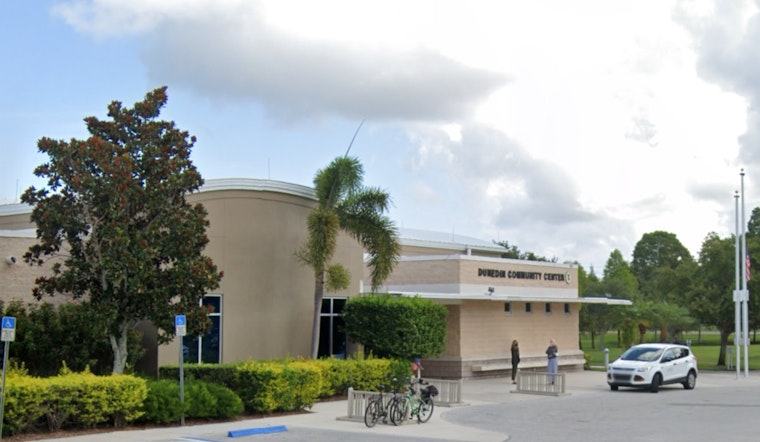
According to Pinellas County, case managers will be available at the Dunedin Community Center on Monday, March 30 from 4–7 p.m. and Tuesday, March 31 from 10 a.m.–1 p.m. A Palm Harbor pop‑up will follow at White Chapel/Harbor Hall on Thursday, April 2 from 10 a.m.–1 p.m.
The sites are listed as Dunedin Community Center (1920 Pinehurst Rd.) and White Chapel/Harbor Hall (1190 Georgia Ave.). Residents are encouraged to check the county’s recovery channels if they need to confirm times or ask about alternate arrangements.
What the programs cover
The People First initiative bundles five separate programs aimed at helping homeowners, tenants and local landlords hit by Hurricanes Idalia, Helene and Milton, as described in county materials. Program guidelines state that disaster‑reimbursement awards can cover essential storm‑related costs up to about $15,000, while repair, reconstruction or replacement awards can reach caps of up to $375,000 depending on the award type, according to Pinellas County.
At the pop‑ups, case managers can review applicants’ paperwork on the spot, check for any duplication of benefits and help residents sort out which of the five programs best fits their situation.
On-site permitting help and paperwork
Pinellas County says the pop‑up sessions will also feature on‑site permitting assistance for residents of unincorporated areas, with staff helping to bring storm repairs into compliance. The county’s after‑the‑fact permitting guidance explains how to avoid penalties and what documentation may be required; see that guidance from Pinellas County.
A scheduled community permit support hub listing also outlines workshops and one‑on‑one help for storm repair permitting and related questions, according to the Eventbrite posting.
How to sign up
Residents can start an application online through the People First recovery portal or call the intake line to be connected with a case manager. The county’s recovery site lists intake options and permanent offices in Clearwater and St. Petersburg where applicants can get follow‑up support.
For anyone who prefers face‑to‑face help, staff at the pop‑ups will be able to open applications in person. If you cannot make it to one of the sessions, the program also allows you to mail in materials or coordinate by email with an assigned case manager to keep the intake process moving.
Why this matters
The pop‑ups are part of Pinellas Recovers, the county’s multi‑program recovery effort backed by roughly $813 million in federal disaster recovery funding. County officials have already begun issuing the first round of recovery checks, according to a Pinellas County news release.
These short, neighborhood‑level sessions are meant to reach residents who have struggled with online forms or who need help juggling insurance payouts and FEMA assistance while applying for grants. Hoodline previously reported on the People First rollout and early disbursements as the county moved to stand up the program last fall.




