

























































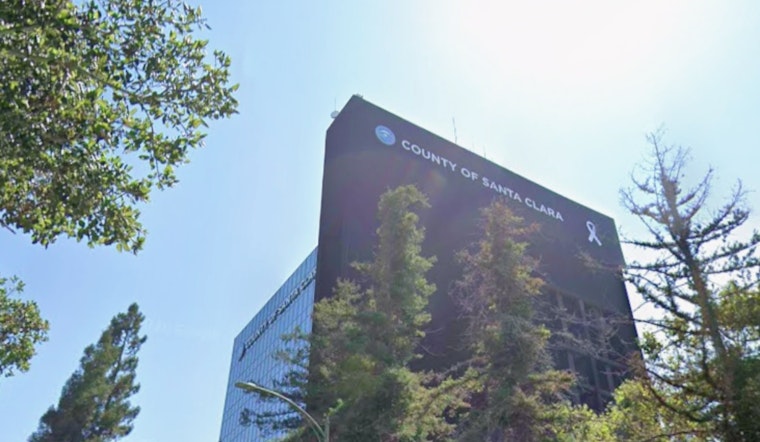
Super Bowl crackdowns in Santa Clara County did more than sweep up alleged traffickers this winter. They exposed a grim reality that survivors and advocates say Bay Area leaders still are not ready to handle once the police lights turn off.
Enhanced operations tied to the big game uncovered dozens of trafficking victims across the region, including children as young as 12. Survivors and local advocates told KQED's Forum that enforcement alone cannot stop kids from being pulled right back into exploitation. In their view, what is missing is everything that comes after the busts: stable housing, long-term therapy and prevention programs that actually reach the youth most at risk.
What investigators found
According to a news release from the Santa Clara County District Attorney's Office, the county task force's Super Bowl operations led to the arrests of 29 alleged traffickers and the recovery of 73 victims across 11 Bay Area counties. Ten of those victims were minors.
One of the recovered victims, who was being trafficked in Oakland, was just 12 years old, according to the release. Investigators set up a command center in Sunnyvale to coordinate the multi-agency response across the region. KQED brought task-force officials, survivors and clinicians together this week to talk through the hardest part of the work: what happens after rescue.
Survivors and advocates: more than raids
Survivors and survivor-led groups say the eye-popping arrest numbers are only the beginning. The real test, they argue, is whether the Bay Area can keep young people safe once they are out of immediate danger.
Elizabeth Quiroz, co-founder of Redemption House of the Bay Area and a survivor herself, told The Press Democrat that outreach teams can step in quickly but rarely have the resources to offer what many youth actually need. That includes long stays in safe housing, consistent therapy and help navigating the legal system.
Clinicians such as Dr. Aisha Mays of Dream Youth Clinics argue that youth-centered medical and mental-health care, not criminalization, should be the default response for exploited children. That approach is outlined by Roots Community Health, which highlights her work with young people who have survived trafficking.
Prevention and funding gaps
Local officials warn that major events like the Super Bowl can supercharge demand for commercial sex and strain already thin safety nets. County leaders told San José Spotlight that staffing, overtime grants and emergency housing remain limited even as agencies ramp up enforcement around high-profile events.
The problem is not confined to the Bay Area. National hotline data from Polaris shows the National Human Trafficking Hotline identified 11,999 trafficking situations involving 21,865 victims in 2024. Those numbers underline what local advocates are saying on the ground: the scale of trafficking far outpaces the services available to survivors.
Law and what it means for children
Under federal law, any commercial sex act involving a person under 18 is trafficking, and prosecutors do not have to prove force or coercion when the victim is a minor. The U.S. Department of Justice explains that this standard guides how federal and local task forces prioritize arrests.
Survivors who spoke on KQED and to local outlets say strong laws are important, but they are not enough on their own. They argue that the statute has to be matched with funding for housing, therapy and records relief so that young people are not pushed back into exploitation by lack of options.
What comes next
Advocates say the Bay Area needs a two-track strategy. On one track, vigorous investigations and prosecutions to hold traffickers accountable. On the other, predictable funding for housing, mental-health care, education and legal relief that lets survivors rebuild their lives instead of cycling back through crisis services every time there is a big sting operation.
If you suspect trafficking, contact the National Human Trafficking Hotline at 1-888-373-7888 or text "BeFree" to 233733, according to Polaris.
Local agencies and survivor groups such as Redemption House and Dream Youth Clinics continue street outreach and clinical work. They say long-term change, however, will depend on steady public investment and coordinated county planning, not just one-off crackdowns when the national spotlight swings through town.




