

























































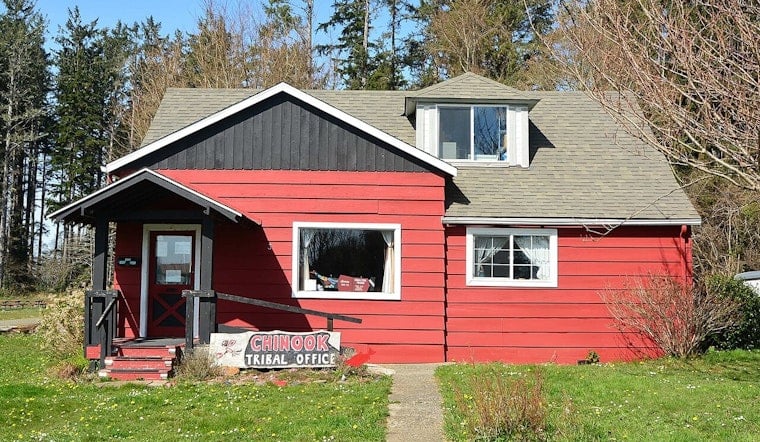
The U.S. Supreme Court has turned down the Chinook Indian Nation’s latest bid for federal recognition, a denial tribal leaders describe as another blow in a fight that has stretched more than a century. By refusing to take the case, the court left intact lower court rulings that keep the Chinooks locked out of federal services that hinge on recognition, and tribal officials say they are pivoting harder toward administrative and congressional paths. For communities around the mouth of the Columbia River, the decision ripples through access to health care, protection of ancestral sites, and local stewardship of key fisheries.
The case, Chinook Indian Nation v. Haaland (No. 25-313), appears among the petitions denied in the Supreme Court’s March 23, 2026 order list, according to the U.S. Supreme Court. The petition, filed in September 2025 and logged on the court’s docket, asked the justices to review a Ninth Circuit decision that left the tribe’s non-recognized status in place, per the Supreme Court docket.
According to Chinook Observer, tribal leaders say federal recognition would unlock Indian Health Service coverage, education funding, stronger legal protections for ancestral remains under NAGPRA, and new tools for economic development and river management. The Chinook Indian Nation represents five Chinookan-speaking groups: the Clatsop and Cathlamet in what is now Oregon, and the Lower Chinook, Wahkiakum and Willapa in Washington, and the tribe points to cultural and land ties that reach back centuries.
The federal government briefly acknowledged the Chinook Indian Nation in 2001, only to withdraw that recognition in 2002 through a "Reconsidered Final Determination" issued after an appeal by the Quinault Indian Nation, according to a Bureau of Indian Affairs notice in the Federal Register. That reversal has sat at the center of decades of litigation and political efforts aimed at restoring the Chinooks’ status.
Lower federal courts have handed the tribe a few narrow wins, including orders requiring the Interior Department to revisit agency rules that block previously denied groups from filing new recognition petitions. But in 2025, the Ninth Circuit rejected the Chinook argument that the courts themselves could confer recognition. The appellate ruling and the federal government’s request that the Supreme Court stay out of the fight are reflected in court filings and in coverage from Law360.
What’s next
Chairman Tony "Naschio" Johnson has made it clear the tribe is not walking away from the recognition battle. He has laid out a multi-pronged plan that includes re-petitioning the Bureau of Indian Affairs, pushing for an executive order, and lobbying for a restoration bill on Capitol Hill, according to the Chinook Indian Nation. "We will continue to seek recognition through administrative and political channels," Johnson said in tribal statements.
Legal implications
Legal observers point to a familiar roadblock: federal courts frequently frame tribal recognition as a political question that belongs to Congress or the executive branch, not the judiciary. As a result, wins in court tend to be tightly focused on procedure rather than sweeping declarations of sovereign status, according to legal analysis and orders compiled by the National Indian Law Library. That split, between limited judicial remedies and broad congressional authority, is a big reason Chinook leaders treat a restoration bill as their most direct path forward.
The Chinook Indian Nation’s offices are in Bay Center, and tribal leaders say the community will continue to press lawmakers and federal agencies as the next phase of the recognition fight unfolds. This story will be updated as Congress, the Bureau of Indian Affairs, or the tribe announces new moves.





