

























































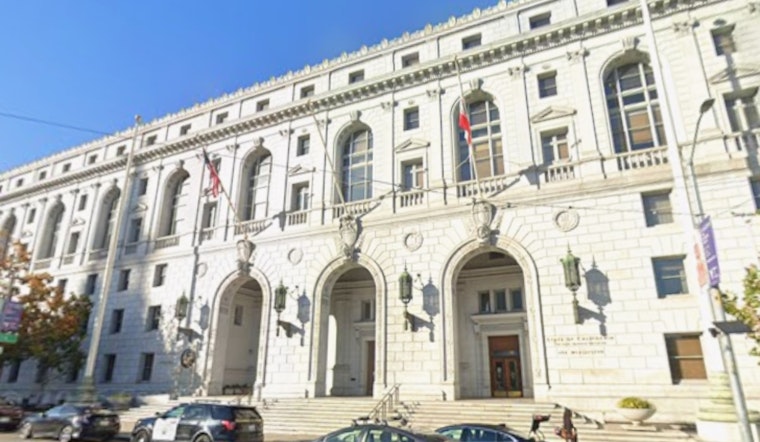
California parents, teachers and students spent the week trying to sort out a legal mess after some local coverage suggested the U.S. Supreme Court had swooped in to block the state’s school policies on transgender students. The underlying lawsuit is very real and very high stakes, but the fight is still working its way through the courts. A federal judge issued a sweeping injunction in late December, the 9th Circuit hit pause on that order, and now the Supreme Court has been asked to intervene on an emergency basis. Until the justices explicitly say otherwise, school districts and teachers are operating under the appeals court’s stay. Here is how the case got here and what it means in real life for California classrooms.
What the lower courts decided
On Dec. 22, 2025, U.S. District Judge Roger Benitez granted summary judgment for the plaintiffs and entered a class-wide injunction that would block certain state and state-approved policies the court described as requiring teachers to keep a student’s gender presentation from parents. In a detailed order, the judge spelled out what public school staff may and may not be required to do, including how names and pronouns may be used in communications with parents. The ruling and the signed injunction are posted on the federal docket and available through public court records. According to Justia Dockets & Filings, the injunction was entered as a class action that the court said applied statewide.
The appeals court stepped in
California quickly asked the 9th U.S. Circuit Court of Appeals for emergency relief, and an appellate panel temporarily stayed Judge Benitez’s order in early January. That stay effectively kept existing state and district privacy practices in place while the appeal moves forward. The idea was to preserve the status quo and avoid sudden operational changes in hundreds of school districts. The 9th Circuit’s move and its reasoning were covered by local court reporters and outlets following the decision, including the San Francisco Chronicle.
Why the Supreme Court is involved
The plaintiffs, a group of teachers and parents represented by conservative legal organizations, then went to the U.S. Supreme Court with an emergency application asking the justices to toss out the 9th Circuit’s stay and let the district court injunction take effect. That request was docketed at the high court in January as Case No. 25A810, and the application, responses and several amicus briefs are all part of the public record. The application’s docket entry is posted on the U.S. Supreme Court website.
No, the high court has not publicly "blocked" or vacated anything
Despite some breathless headlines, as of the Court’s Monday orders list there was no public Supreme Court order vacating the Ninth Circuit’s stay or otherwise snapping Judge Benitez’s injunction back into place. The Court’s weekly orders list for March 2, 2026, does not include a grant or other disposition of this emergency application, and SCOTUSblog continues to show the matter as pending on its emergency docket. For the official record, see the March 2 order list on the U.S. Supreme Court.
Reactions from advocates and officials
Advocates on both sides are treating each procedural move as a major win or loss. Civil rights groups have argued that Judge Benitez’s ruling threatens crucial privacy and safety protections for transgender and gender-nonconforming students, while the plaintiffs’ lawyers have cast the district court order as a milestone for parental and religious rights. The ACLU of Southern California issued a statement blasting the district court’s decision and urging continued protections for students. On the other side, the Thomas More Society, which represents the plaintiffs, celebrated the initial ruling as a landmark victory in a press release.
What it means for schools and families
Because the 9th Circuit’s stay is still in place while the appeal proceeds, most California districts continue to follow current state guidance and local policies on how to handle students’ names, pronouns and privacy. In practical terms, that means parents, students and teachers should not expect an immediate, uniform statewide shift until the appeals process and any Supreme Court response produce a clear, binding order. Local districts still have discretion over many day-to-day operational questions, so families are being told to check with their own district for the policy on the ground.
What to watch next
The Supreme Court could deny the emergency application, wipe out the Ninth Circuit’s stay, or take some narrower step. Any of those choices would directly determine whether Judge Benitez’s injunction can be enforced while the full appeal continues. If the justices decline to act, the case simply moves forward in the 9th Circuit under the current stay. If they do intervene, even with a short unsigned order, schools could see immediate operational changes. For now, legal watchers are glued to updates in Case No. 25A810 on the Court’s official docket and in the weekly orders lists, and are also tracking developments through SCOTUSblog.





